
Are Visa and Mastercard Really Safe? The Black Hole of Payment Processors

Table of Contents
Are Visa and Mastercard really safe for consumers?
No, not completely. While they offer encryption and fraud protection, payment processors create a 'black hole' of sensitive data, vulnerable to breaches and unfair chargebacks. Consumers often face hidden costs and loss of control over transactions.
When you pay with a Visa or Mastercard, you think you're safe. After all, these companies spend billions on cybersecurity. But the reality is more complex: the real danger isn't the card itself, but the 'black hole' of payment processors handling your data.
Payment processors are intermediaries between your bank and the merchant. Every transaction passes through a network of servers, often shared among thousands of companies. This creates a huge vulnerability point. In 2023, a breach at one processor exposed data from 40 million cards in Europe.
The main issue is lack of transparency. When you dispute a transaction, the chargeback can be rejected for obscure reasons. It's up to the consumer to prove the error, but the processor has the final say. And often, the terms of service are a legal jungle.
Another risk is data sharing. Processors sell your purchase data to third parties for advertising profiling. Even if Visa and Mastercard claim to protect you, their partners might not. And once data leaves their ecosystem, control is lost.
Hidden fees are another black hole. Foreign currency transactions, international withdrawals, or simple online purchases can generate unexpected costs. Consumers often discover these charges months later, when it's too late to dispute.
Visa and Mastercard's fraud protection is real, but not absolute. If a criminal uses your card, you're usually reimbursed. But if fraud involves a payment through an unauthorized processor, you may not be entitled to a refund. Liability often falls on the consumer.
To defend yourself, use cards with real-time notifications and regularly check statements. Report suspicious transactions immediately and always keep receipts. And if possible, prefer credit cards over debit, as they offer greater legal protections.
In Italy, the right of withdrawal for online purchases is 14 days, but it doesn't cover digital services or personalized goods. If the payment processor is involved, refunds can take up to 30 days. This is a luxury many can't afford.
The truth is, Visa and Mastercard are safe up to a point. The real black hole is the consumer's lack of control over their data and transactions. The system is designed to protect banks and merchants, not you.
That's why you must be proactive. Don't blindly trust promised security. Monitor, dispute, and if necessary, switch cards or banks. Your consumer rights are stronger than you think, but only if you use them.
Considering the situation in Italy, where data protection is regulated by GDPR, consumers have more power than in the US model. However, California's CCPA/CPRA offers similar protections, but with key differences in response times and opt-out rights. In both cases, awareness is your best weapon.

NakedPact Editorial Committee
Article created by the NakedPact editorial team. Our mission is to analyze, simplify, and expose unfair terms and hidden risks in everyday contracts to protect citizens and consumers.
Sources and Legal References
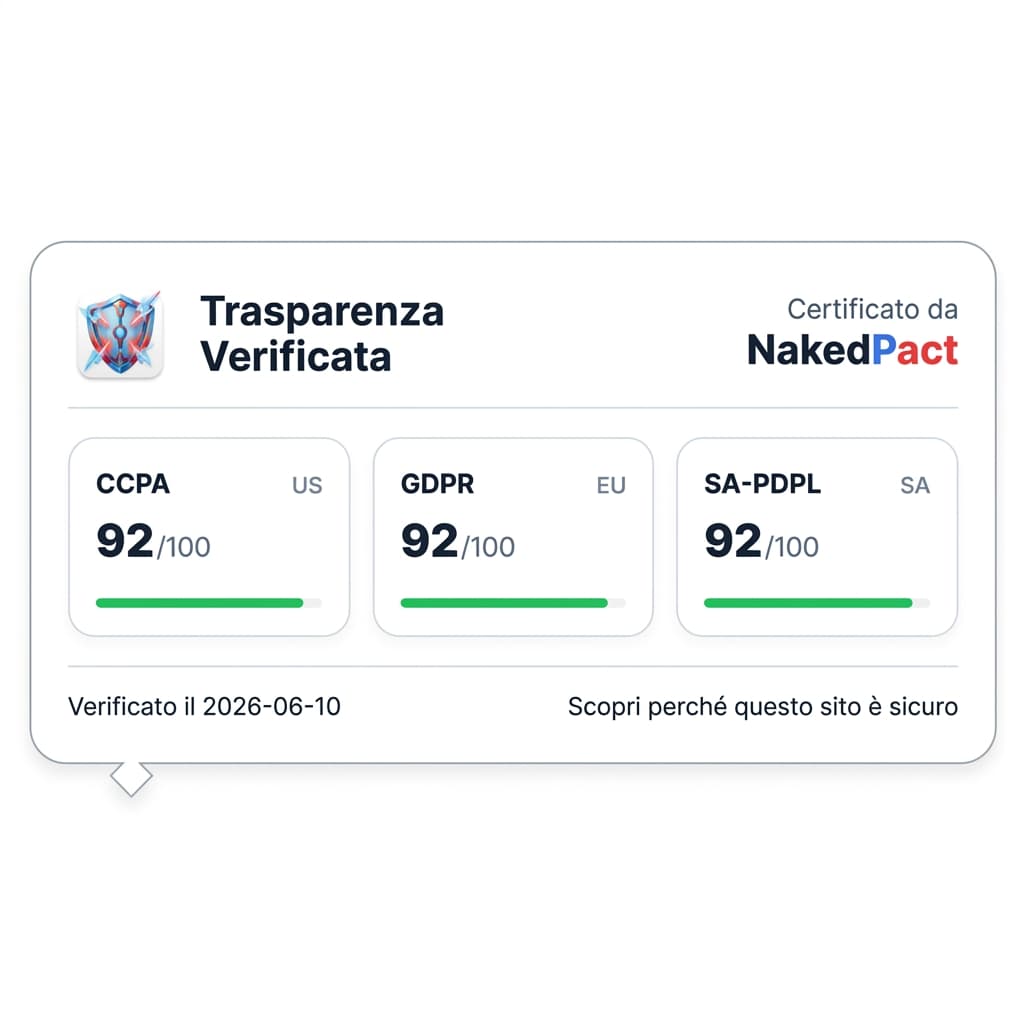
Do you own a website?
Want to communicate your data processing transparency to your users? Dynamically use our badge and showcase your platform's compliance.
Recommended Readings
Your Financial Data Up for Auction: How 200,000 Cards Ended Up on the Dark Web
The Enemy Within: The American Express Scandal and the Employee Who Spied on Their Ex

Security Deposit Scams: How to Protect Yourself from Unlawful Deductions by Your Landlord
🛡️ Protect your rights with one click
Don't risk signing abusive clauses. Install the free NakedPact extension for Chrome or Firefox and instantly analyze any contract on the web.
Don't trust, verify.
Now that you know the risks, don't sign blindly. Upload your contract to NakedPact and let AI find the hidden clauses for you. It's 100% free.
Analyze Your Contract Now