
GDPR Accountability: Why Compliance Isn't Enough Without Proof

Table of Contents
What Principle of GDPR Requires You to Prove Compliance?
The answer is accountability. Under Article 5(2) of the GDPR, organizations must not only comply with data protection principles but also be able to demonstrate that compliance. This shifts the burden from regulators to businesses: it's not enough to follow the rules; you need to prove you're following them.
Think of it like a tax audit. You can't just say you paid your taxes; you need receipts, records, and documentation. Similarly, the GDPR expects you to have a paper trail that shows you've implemented appropriate measures to protect personal data.
Why Accountability Matters More Than Ever
In the digital age, data breaches and privacy scandals are rampant. Regulators like the ICO and CNIL are cracking down on non-compliance, and fines can reach up to 4% of annual global turnover or €20 million, whichever is higher. Accountability is your shield—it proves you took data protection seriously, which can mitigate penalties if something goes wrong.
But accountability isn't just about avoiding fines. It builds trust with customers, partners, and employees. When you can demonstrate that you handle data responsibly, you gain a competitive edge.
How to Demonstrate GDPR Compliance
Demonstrating compliance involves several key actions:
- Data Protection Impact Assessments (DPIAs): Conduct DPIAs for high-risk processing activities.
- Records of Processing Activities (ROPA): Maintain detailed records of what data you process, why, and how.
- Privacy Policies and Notices: Clearly inform individuals about their rights and your data practices.
- Data Protection Officer (DPO): Appoint a DPO if required, and ensure they have the resources to do their job.
- Training and Awareness: Regularly train employees on data protection principles.
- Data Breach Response Plan: Have a plan in place to detect, report, and investigate breaches.
These aren't just checkboxes; they're ongoing processes. Accountability is a mindset, not a one-time task.
Common Misconceptions About Accountability
Some businesses think that hiring a DPO or writing a privacy policy is enough. But accountability requires more: you must actively monitor and update your practices. For example, if you use a new software tool that processes personal data, you need to reassess risks and update your ROPA accordingly.
Another myth is that accountability only applies to large companies. In reality, all organizations that process personal data must comply, though the measures can be proportionate to size and risk.
Practical Steps to Embed Accountability
Start by conducting a data audit to map all personal data flows. Then, implement a privacy management program that includes policies, procedures, and regular reviews. Use tools like Article 5 of the GDPR as your guide.
Document everything: decisions, risk assessments, and training records. This documentation is your proof. And don't forget to review and update it regularly—accountability is a continuous cycle.
FAQ
What is the accountability principle under GDPR?
The accountability principle, found in Article 5(2) of the GDPR, requires organizations to not only comply with data protection principles but also to be able to demonstrate that compliance through documentation and evidence.
How can small businesses demonstrate accountability?
Small businesses can demonstrate accountability by maintaining simple records of processing activities, conducting basic risk assessments, and implementing clear privacy policies. The key is to document what you do and why.
What happens if I can't prove compliance?
If you cannot prove compliance, regulators may impose fines, issue reprimands, or order you to stop processing data. In case of a data breach, lack of proof can lead to higher penalties because you cannot show that you took appropriate measures.
Which GDPR principle requires proving compliance, not just following the regulation?
This statement applies to the GDPR principle of accountability. Article 5(2) mandates that the data controller is responsible for compliance and must be able to demonstrate it. You must not only adhere to all principles but also maintain records and evidence to prove your adherence upon request.

NakedPact Editorial Committee
Article created by the NakedPact editorial team. Our mission is to analyze, simplify, and expose unfair terms and hidden risks in everyday contracts to protect citizens and consumers.
Sources and Legal References
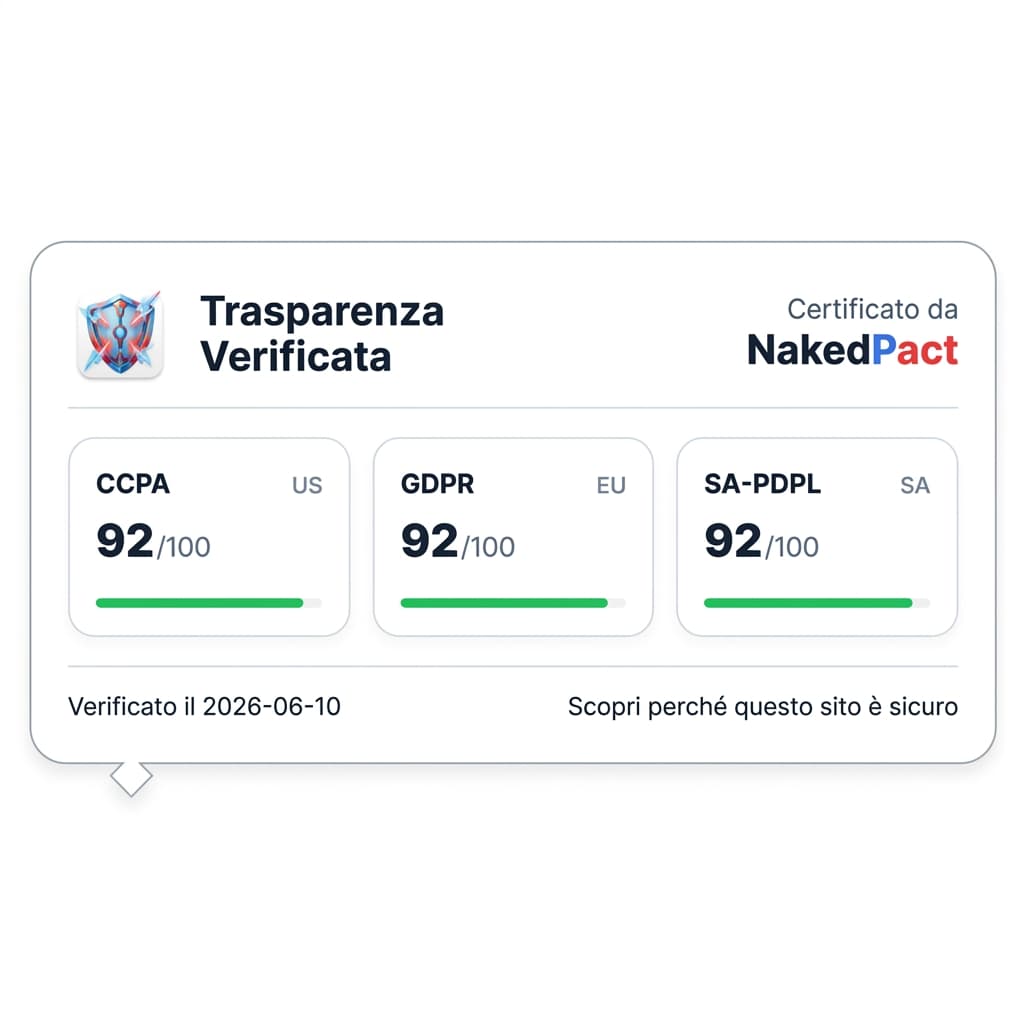
Do you own a website?
Want to communicate your data processing transparency to your users? Dynamically use our badge and showcase your platform's compliance.
Recommended Readings


🛡️ Protect your rights with one click
Don't risk signing abusive clauses. Install the free NakedPact extension for Chrome or Firefox and instantly analyze any contract on the web.
Don't trust, verify.
Now that you know the risks, don't sign blindly. Upload your contract to NakedPact and let AI find the hidden clauses for you. It's 100% free.
Analyze Your Contract Now