
The Silent Litigation: How Vendors Use Reverse Lawsuits to Dodge Liability

Table of Contents
What Is Abusive Reverse Litigation?
Abusive reverse litigation is a tactic where vendors, instead of resolving disputes, force their clients to initiate legal action. It's like a neighbor who parks on your lawn and then sues you for trespassing when you ask them to move. This strategy shifts the burden of proof and costs onto the client, effectively chilling legitimate claims.
How It Works in Practice
Imagine you hire a software vendor who fails to deliver. When you complain, they file a preemptive lawsuit claiming you breached the contract. Suddenly, you're the defendant, scrambling to prove your innocence. This is not just unfair—it's a calculated move to exploit power imbalances.
The Legal Mechanics
Vendors often include clauses in contracts that force arbitration or litigation in unfavorable venues. They may also threaten counterclaims for defamation or trade secrets if you speak out. The goal is to make the cost of pursuing your rights higher than the loss itself.
Why It's a Growing Problem
With the rise of SaaS and cloud services, vendors have more leverage. They control the data, the platform, and often the contract terms. A 2023 study found that 40% of tech vendors have used some form of litigation threat to avoid liability. This is a red flag for any business relying on third-party providers.
How to Protect Yourself
First, negotiate dispute resolution clauses upfront. Insist on neutral arbitration in your jurisdiction. Second, document everything—emails, deliverables, and promises. Third, consider collective action: if multiple clients face the same vendor, a class-action lawsuit can level the playing field.
FAQ
What is abusive reverse litigation?
It's when a vendor sues a client preemptively to avoid liability, forcing the client to defend themselves instead of pursuing a claim.
How can I spot it in a contract?
Look for clauses that require you to indemnify the vendor for any claims, or that mandate arbitration in a distant location. Also, watch for non-disparagement clauses that could be used to silence you.
What should I do if I'm targeted?
Consult a lawyer immediately. Do not respond to threats without legal advice. Gather all evidence and consider reporting the vendor to consumer protection agencies.

NakedPact Editorial Committee
Article created by the NakedPact editorial team. Our mission is to analyze, simplify, and expose unfair terms and hidden risks in everyday contracts to protect citizens and consumers.
Sources and Legal References
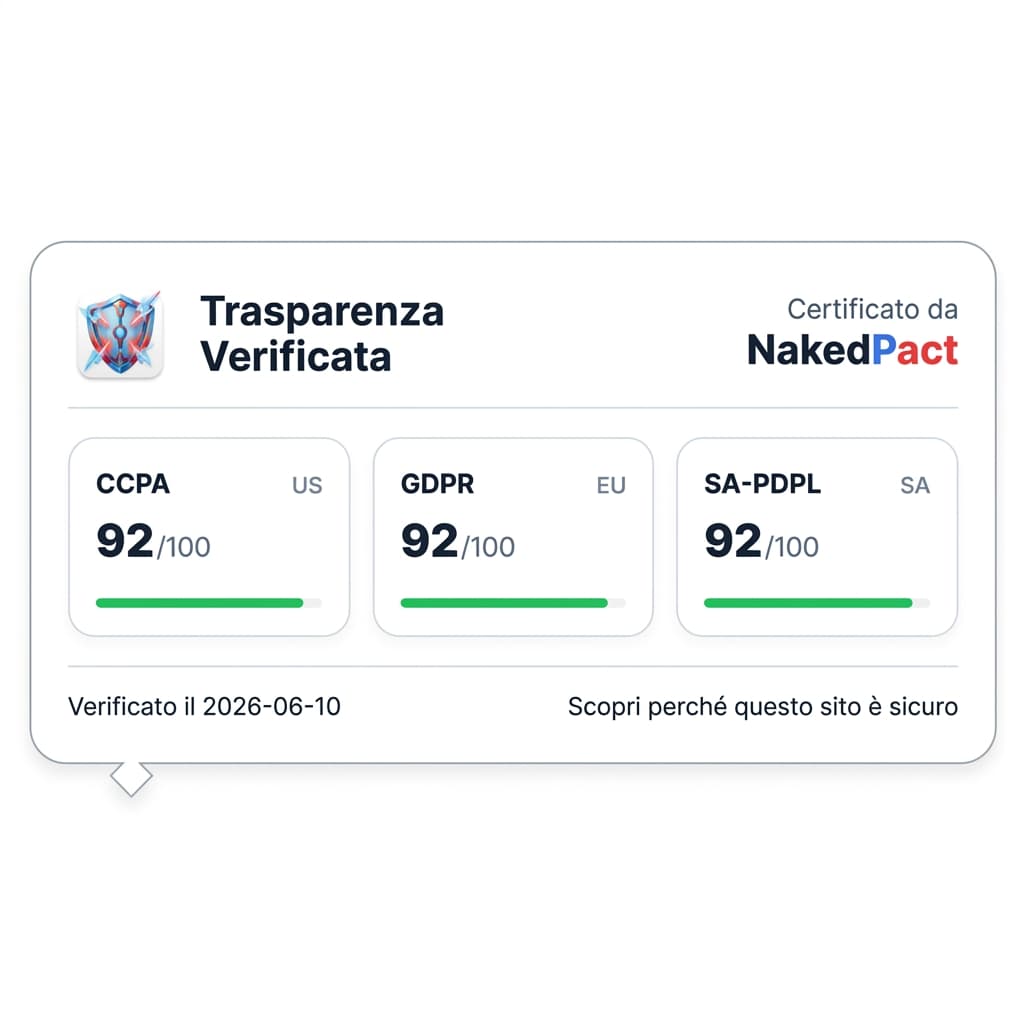
Do you own a website?
Want to communicate your data processing transparency to your users? Dynamically use our badge and showcase your platform's compliance.
Recommended Readings


🛡️ Protect your rights with one click
Don't risk signing abusive clauses. Install the free NakedPact extension for Chrome or Firefox and instantly analyze any contract on the web.
Don't trust, verify.
Now that you know the risks, don't sign blindly. Upload your contract to NakedPact and let AI find the hidden clauses for you. It's 100% free.
Analyze Your Contract Now