
Brazil's AI Sandbox Results Are Out: Here's What Your Company Needs to Know (Without the Legal Jargon)

Table of Contents
What Did the Brazilian AI Sandbox Actually Find?
The Brazilian National Data Protection Authority (ANPD) published the first results of its regulatory sandbox on artificial intelligence. Think of it as a real-world lab where companies tested AI systems under the watchful eye of regulators. The goal? To figure out how to comply with emerging AI laws without stifling innovation. The findings offer practical guidance for any business developing or deploying AI—not just in Brazil, but globally.
Why Should You Care? (Spoiler: It's Not Just for Brazilian Companies)
Even if your company isn't based in Brazil, these results matter. The ANPD's approach mirrors trends in the EU's AI Act and other global frameworks. The sandbox tested real use cases—from credit scoring to customer service chatbots—and identified common compliance pitfalls. For instance, one key takeaway: transparency isn't just about slapping a disclaimer on your website. It means explaining how your AI makes decisions in plain language, not legalese. (Yes, that means your terms of service should be readable without a law degree.)
The Practical Takeaways: A Cheat Sheet for AI Compliance
1. Document Everything (Yes, Even the Boring Stuff)
The sandbox participants who fared best kept detailed records of their AI's training data, model architecture, and decision-making logic. This isn't just for regulators—it's for your own sanity when something goes wrong. Think of it as a fire escape plan for your AI: you hope you never need it, but you'll be glad it's there.
2. Bias Testing Isn't Optional
One participant discovered their hiring algorithm favored candidates from certain neighborhoods—not because of intentional bias, but because historical data reflected systemic inequalities. The sandbox forced them to test for this early. The lesson? Run bias audits before launch, not after a scandal. It's cheaper and less embarrassing.
3. Human Oversight: More Than a Rubber Stamp
Regulators want humans in the loop, but not just as figureheads. The sandbox showed that effective oversight means giving humans the tools and authority to override AI decisions. For example, a customer service AI that can't escalate to a human when it's confused? That's a compliance risk. And a customer service nightmare.
Featured Snippet Bait: What Are the Key Compliance Steps for AI Under the Brazilian Sandbox?
Based on the ANPD's findings, companies should: (1) conduct data protection impact assessments specific to AI, (2) implement transparency mechanisms that explain AI decisions in user-friendly terms, (3) establish human oversight protocols with real decision-making power, and (4) continuously monitor for bias and drift.
How to Prepare for AI Regulation Without Losing Your Mind
Start small. Pick one AI use case—maybe your customer support chatbot—and apply the sandbox lessons to it. Document its training data, test for bias, and set up a human escalation path. Once you've done that, scale to other systems. The key is to treat compliance as an ongoing process, not a one-time checkbox. And remember: regulators are learning too. The sandbox is a sign that they want to work with businesses, not against them. So engage with them early—it's better than a fine.
FAQ
What is the Brazilian AI regulatory sandbox?
It's a program run by the ANPD where companies test AI systems under regulatory supervision to develop compliance best practices. The first results were published in 2025.
Do the sandbox results apply to companies outside Brazil?
While the sandbox is specific to Brazilian law, its findings align with global trends like the EU AI Act. The practical guidance on transparency, bias testing, and human oversight is universally relevant.
What's the first step my company should take based on these results?
Start by conducting a data protection impact assessment for your AI systems, focusing on how personal data is used and what safeguards are in place. Then, document your AI's decision-making process.
AI Compliance Checklist (Based on Sandbox Findings)

NakedPact Editorial Committee
Article created by the NakedPact editorial team. Our mission is to analyze, simplify, and expose unfair terms and hidden risks in everyday contracts to protect citizens and consumers.
Sources and Legal References
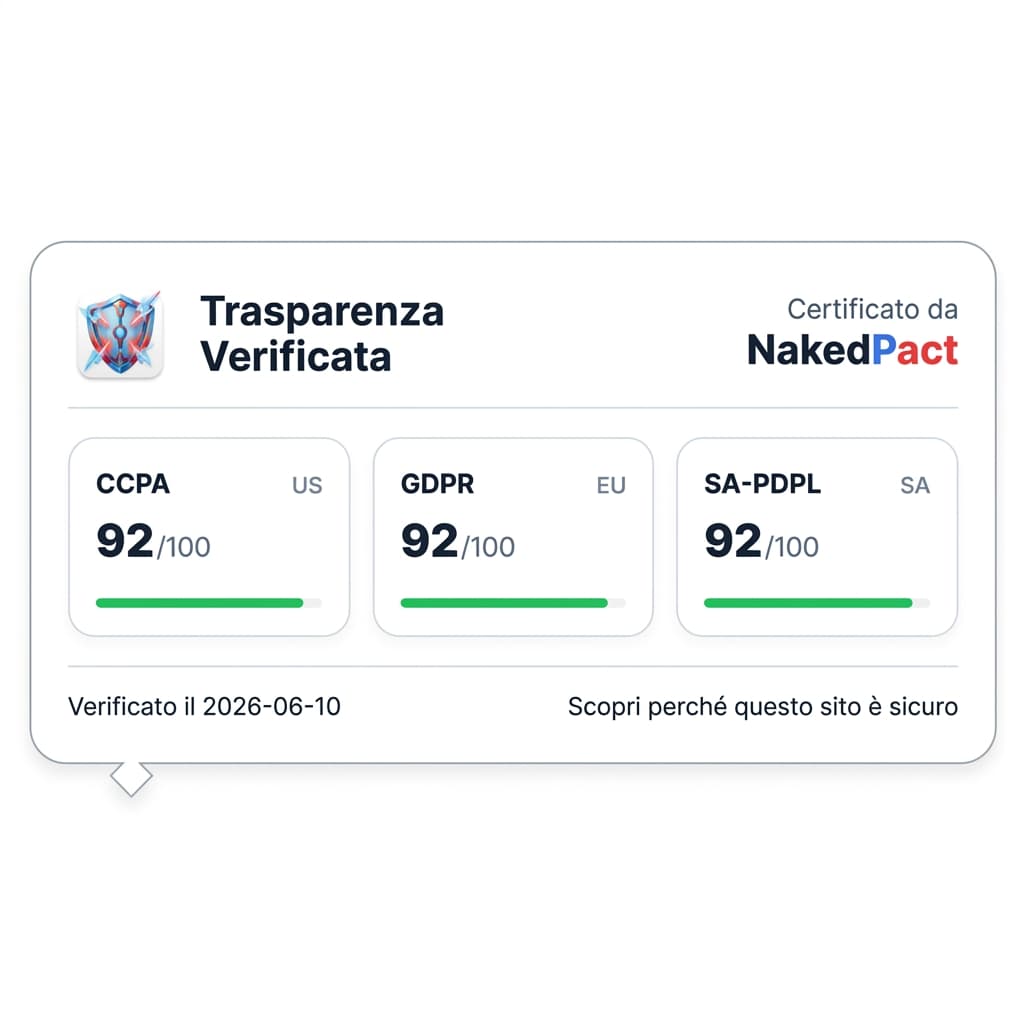
Do you own a website?
Want to communicate your data processing transparency to your users? Dynamically use our badge and showcase your platform's compliance.
Recommended Readings

FTC Independence and EU-US Data Privacy Framework: What Lina Khan's Departure Means for Your Business

Your Personal Data, Your Problem: Why Korea's CPO Model Puts You on the Hook

420,000 Binance Accounts on the Dark Web: The Security Illusion and the Infostealer Threat
🛡️ Protect your rights with one click
Don't risk signing abusive clauses. Install the free NakedPact extension for Chrome or Firefox and instantly analyze any contract on the web.
Don't trust, verify.
Now that you know the risks, don't sign blindly. Upload your contract to NakedPact and let AI find the hidden clauses for you. It's 100% free.
Analyze Your Contract Now