
The Public Consultation on Transparency and Data Protection Guidelines Has Been Extended – Here’s Why You Should Care

Table of Contents
Why the Extension Matters
The public consultation on the draft guidelines for transparency and data protection has been extended, giving stakeholders more time to provide feedback. This is not just a procedural delay; it's an opportunity for businesses, privacy advocates, and individuals to influence how personal data is handled in an increasingly digital world. The guidelines aim to clarify how organizations should inform users about data processing, making transparency a practical reality rather than a legal checkbox.
Featured Snippet Bait: The extended public consultation gives you until [new deadline] to submit comments on the draft guidelines for transparency and data protection. Your feedback can help shape how companies explain data processing to users, ensuring clarity and fairness.
What Are the Guidelines About?
The draft guidelines, issued by the European Data Protection Board (EDPB), focus on transparency obligations under the GDPR. They cover how to present privacy notices, consent requests, and data subject rights in a clear, concise, and accessible manner. Think of it as the difference between a terms-of-service page that reads like a legal labyrinth and one that actually makes sense – like comparing a tax form to a friendly instruction manual.
Key Areas Covered
- Layered privacy notices: providing key information upfront with optional details.
- Use of icons and standardized formats to enhance understanding.
- Specific requirements for online platforms, apps, and IoT devices.
Who Should Participate?
If you're a data protection officer, a startup founder, or just someone who's ever clicked 'I agree' without reading, this consultation is for you. The guidelines will affect how companies design their data collection interfaces, from cookie banners to account registration forms. Your input can help prevent the dreaded 'dark patterns' that trick users into sharing more data than they intend.
How to Submit Your Comments
Visit the EDPB's consultation page to download the draft guidelines and submit your feedback via email. Be specific: point out ambiguous language, suggest practical examples, or highlight industry-specific challenges. The deadline is now [new date], so you have a bit more breathing room – but don't procrastinate until it's as urgent as renewing your passport the night before a trip.
For reference, check the EDPB public consultations page for official documents and submission details.
FAQ
What is the purpose of the transparency guidelines?
The guidelines aim to help organizations comply with GDPR transparency obligations by providing practical advice on how to inform individuals about data processing in a clear, concise, and accessible way.
Who can participate in the public consultation?
Anyone – individuals, businesses, NGOs, and public authorities – can submit comments. The EDPB encourages broad participation to ensure diverse perspectives are considered.
What happens after the consultation ends?
The EDPB will review all submissions, revise the guidelines accordingly, and adopt a final version. The guidelines will then serve as a reference for data protection authorities across the EU.

NakedPact Editorial Committee
Article created by the NakedPact editorial team. Our mission is to analyze, simplify, and expose unfair terms and hidden risks in everyday contracts to protect citizens and consumers.
Sources and Legal References
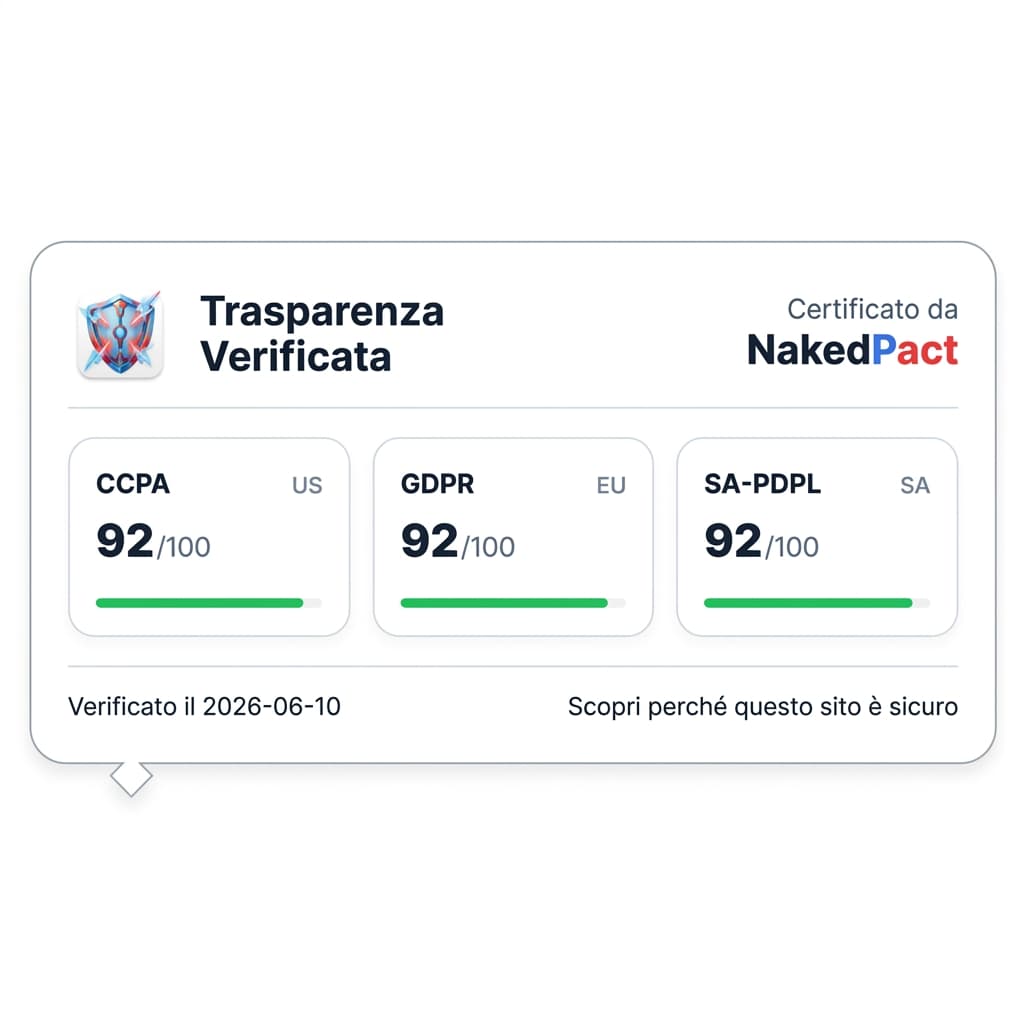
Do you own a website?
Want to communicate your data processing transparency to your users? Dynamically use our badge and showcase your platform's compliance.
Recommended Readings


🛡️ Protect your rights with one click
Don't risk signing abusive clauses. Install the free NakedPact extension for Chrome or Firefox and instantly analyze any contract on the web.
Don't trust, verify.
Now that you know the risks, don't sign blindly. Upload your contract to NakedPact and let AI find the hidden clauses for you. It's 100% free.
Analyze Your Contract Now