
How Long Can Companies Keep Your Data? The Surprising Truth About Retention Periods

Table of Contents
What Is the Maximum Data Retention Period?
The GDPR doesn't set a one-size-fits-all deadline. Instead, it requires that personal data be kept no longer than necessary for the purpose it was collected. For most cases, this means deleting data once the purpose ends—often within months or a few years.
Why Retention Periods Matter
Imagine a company storing your old address from a one-time purchase for a decade. That's not just creepy—it's illegal. Data minimization and storage limitation are core GDPR principles. Companies must justify every extra day they keep your info.
Common Retention Periods by Industry
Employment Records
Typically 2-5 years after employment ends, depending on local laws. For example, Germany requires 6 years for certain documents.
Financial Data
Banks often keep transaction data for 5-10 years due to anti-money laundering laws. But marketing data? Delete after 2 years max.
Customer Support Chats
Most companies keep chat logs for 1-3 years. After that, they should anonymize or delete.
What Happens If They Keep Data Too Long?
Fines up to 4% of global turnover or €20 million, whichever is higher. Plus, reputational damage. Remember when Google was fined €50 million for lack of transparency? Retention is a big part of that.
How to Check If a Company Complies
Look for a data retention policy in their privacy notice. If it says 'as long as necessary' without specifics, that's a red flag. You can also submit a deletion request under Article 17 GDPR.
FAQ
Can a company keep my data indefinitely if I consent?
No. Consent must be specific and informed. Even with consent, the data must be deleted once the purpose ends. Indefinite retention is almost never lawful.
What's the longest retention period allowed?
There's no absolute maximum, but periods beyond 10 years are rare and require strong justification, like legal holds or public interest archiving.
Do I have the right to know how long my data will be kept?
Yes. Under Article 13 and 14 GDPR, companies must inform you of the retention period or the criteria used to determine it.

NakedPact Editorial Committee
Article created by the NakedPact editorial team. Our mission is to analyze, simplify, and expose unfair terms and hidden risks in everyday contracts to protect citizens and consumers.
Sources and Legal References
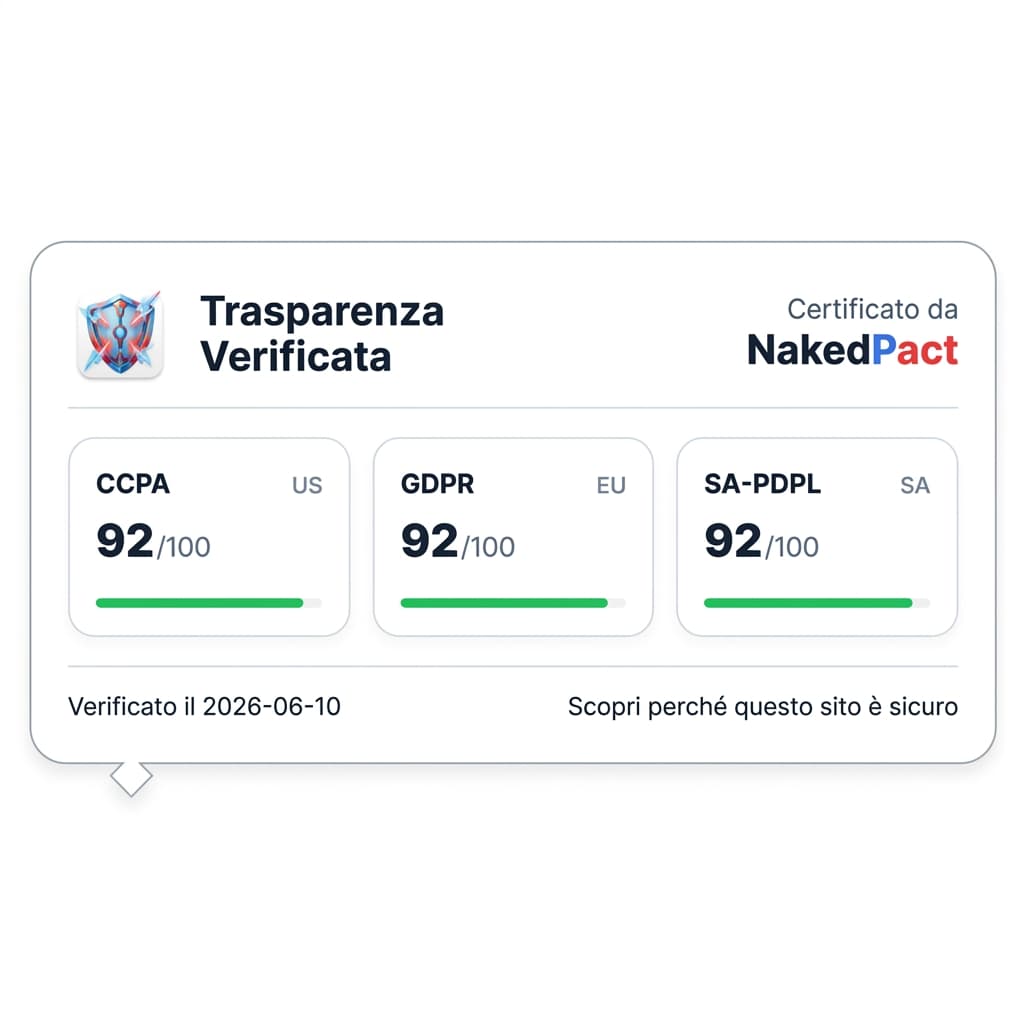
Do you own a website?
Want to communicate your data processing transparency to your users? Dynamically use our badge and showcase your platform's compliance.
Recommended Readings


🛡️ Protect your rights with one click
Don't risk signing abusive clauses. Install the free NakedPact extension for Chrome or Firefox and instantly analyze any contract on the web.
Don't trust, verify.
Now that you know the risks, don't sign blindly. Upload your contract to NakedPact and let AI find the hidden clauses for you. It's 100% free.
Analyze Your Contract Now