
POPIA: Are You Forgetting That Legal Persons Have Data Rights Too?

Table of Contents
You've probably heard that the Protection of Personal Information Act (POPIA) is South Africa's answer to the GDPR. But here's a twist that catches many off guard: POPIA also protects the personal information of legal persons—yes, that includes companies, trusts, and partnerships. So, if you thought data privacy was only about individuals, think again.
What Does POPIA Say About Legal Persons?
POPIA defines 'personal information' broadly to include information relating to an identifiable, living, natural person, and where it is applicable, an identifiable, existing juristic person. This means that data about a company—like its registration number, address, or director details—is protected under the same rules that apply to individuals.
Featured Snippet: POPIA protects the personal information of both natural and juristic persons. This includes data like company registration numbers, addresses, and director details. Compliance requires treating legal entities with the same privacy safeguards as individuals.
Why This Matters for Your Business
If you process data about other companies (e.g., as a supplier or service provider), you are a 'responsible party' under POPIA. You need to have a lawful basis for processing, obtain consent where required, and ensure data security. Ignoring this could lead to fines or reputational damage.
Think of it this way: treating a company's data carelessly is like leaving a client's confidential files on a park bench. It's not just sloppy—it's illegal.
Practical Steps to Comply
- Review your data processing activities to identify where you handle legal persons' information.
- Update your privacy policy to reflect that you process data of juristic persons.
- Ensure you have a valid justification (e.g., contract performance, legal obligation) for processing.
- Implement appropriate security measures to protect that data.
For more details, check the official POPIA guidelines from the South African Information Regulator.
FAQ
Does POPIA apply to all legal persons?
Yes, POPIA applies to any identifiable juristic person, including companies, close corporations, trusts, and partnerships. However, it does not apply to deceased individuals or legal persons that have been dissolved.
What are the penalties for non-compliance with POPIA regarding legal persons?
Penalties can include fines up to R10 million or imprisonment for up to 10 years for certain offenses, as well as civil liability for damages.
Do I need to register as an Information Officer if I process data of legal persons?
Yes, if you are a public or private body processing personal information (including of legal persons), you must register your Information Officer with the Information Regulator.
📊 POPIA Compliance Checklist for Legal Persons Data
- ✓ Identify all data processing activities involving juristic persons
- ✓ Update privacy policy to include legal persons
- ✓ Obtain consent or other lawful basis for processing
- ✗ Register Information Officer (if not done)
- ✗ Implement data security measures
📈 Common Data Types Processed

NakedPact Editorial Committee
Article created by the NakedPact editorial team. Our mission is to analyze, simplify, and expose unfair terms and hidden risks in everyday contracts to protect citizens and consumers.
Sources and Legal References
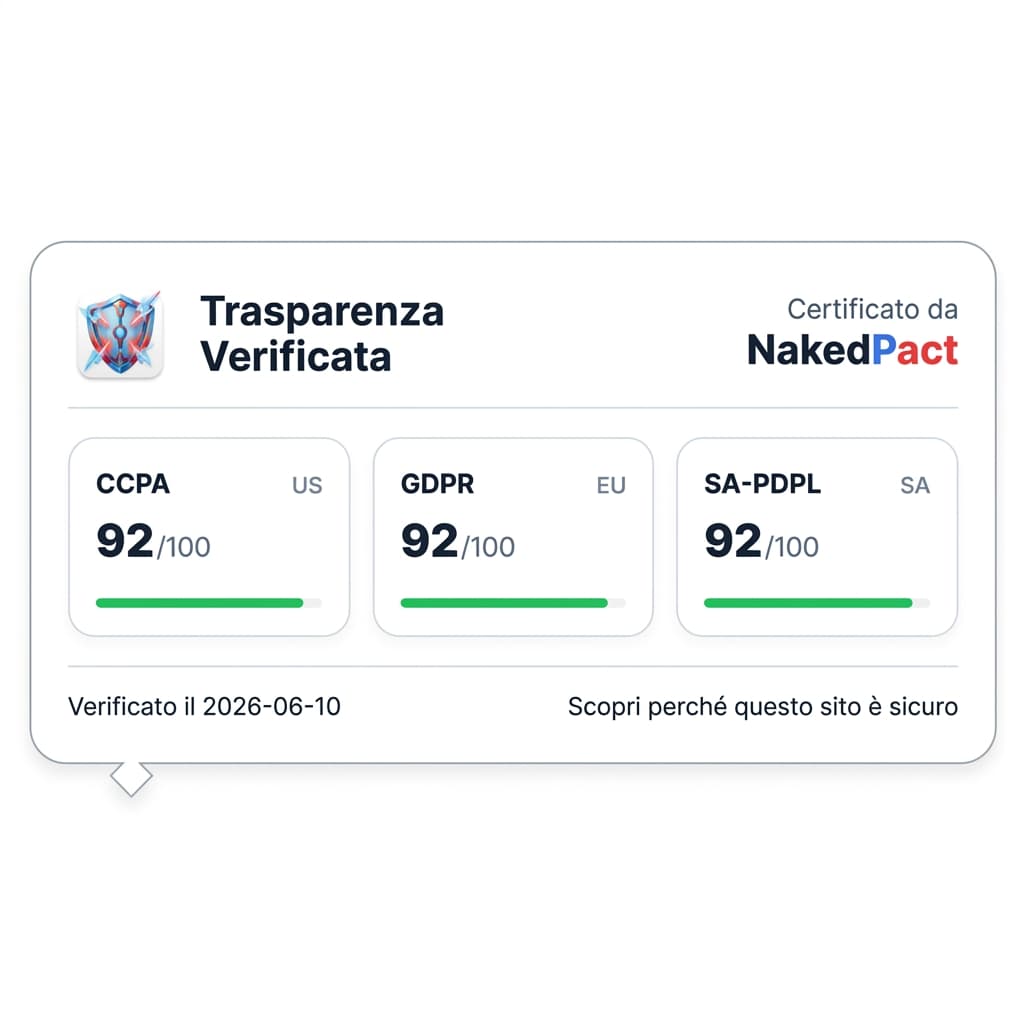
Do you own a website?
Want to communicate your data processing transparency to your users? Dynamically use our badge and showcase your platform's compliance.
Recommended Readings


🛡️ Protect your rights with one click
Don't risk signing abusive clauses. Install the free NakedPact extension for Chrome or Firefox and instantly analyze any contract on the web.
Don't trust, verify.
Now that you know the risks, don't sign blindly. Upload your contract to NakedPact and let AI find the hidden clauses for you. It's 100% free.
Analyze Your Contract Now