
The KIDS Act: Why Congress Shouldn't Be Your Kid's Babysitter Online

Table of Contents
What Is the KIDS Act?
The KIDS Act (Kids Internet Design and Safety Act) is a package of bills passed by the U.S. House of Representatives that aims to protect minors online by imposing age verification and content restrictions. But as the EFF warns, it could turn the internet into a surveillance state where every user must prove their age to access basic content.
Featured Snippet Bait: The KIDS Act would require platforms to verify users' ages using government IDs or biometric data, effectively ending anonymous browsing and chilling free expression for everyone.
Why Age Verification Is a Privacy Nightmare
Imagine having to show your driver's license just to watch a YouTube video or read a news article. That's what the KIDS Act could mandate. Age verification systems collect sensitive personal data, creating honeypots for hackers and government overreach. Even if companies promise not to store the data, breaches happen—remember Equifax?
And let's be real: verifying age is about as fun as reading the Terms of Service for a toaster. It's tedious, invasive, and often ineffective. Kids will just use a parent's ID or find workarounds, while adults lose their privacy.
The Chilling Effect on Free Speech
When you know someone's watching, you self-censor. The KIDS Act would force platforms to monitor and restrict content deemed harmful to minors—a vague standard that could include LGBTQ+ resources, sexual health information, or political dissent. Remember, the same logic was used to ban books like "To Kill a Mockingbird."
This isn't about protecting kids; it's about controlling what everyone can see and say. As the EFF points out, the bill's broad language could lead to overblocking, where platforms remove legal content to avoid liability.
What Can You Do?
The bill now heads to the Senate. Call your senators and tell them to oppose the KIDS Act. Support organizations like the Electronic Frontier Foundation that fight for digital rights. And remember: the best way to protect kids online is through education, not surveillance.
FAQ
Does the KIDS Act apply to all websites?
It targets platforms likely to be accessed by minors, which could include social media, gaming sites, and even news outlets. The definition is broad.
Will age verification be mandatory for adults too?
Yes, to comply, platforms would need to verify every user's age, not just minors. This means adults would also have to submit ID or biometric data.
Can the KIDS Act be challenged in court?
Likely yes. Legal experts argue it violates the First Amendment and privacy rights. The EFF and ACLU are preparing to sue if it passes.

NakedPact Editorial Committee
Article created by the NakedPact editorial team. Our mission is to analyze, simplify, and expose unfair terms and hidden risks in everyday contracts to protect citizens and consumers.
Sources and Legal References
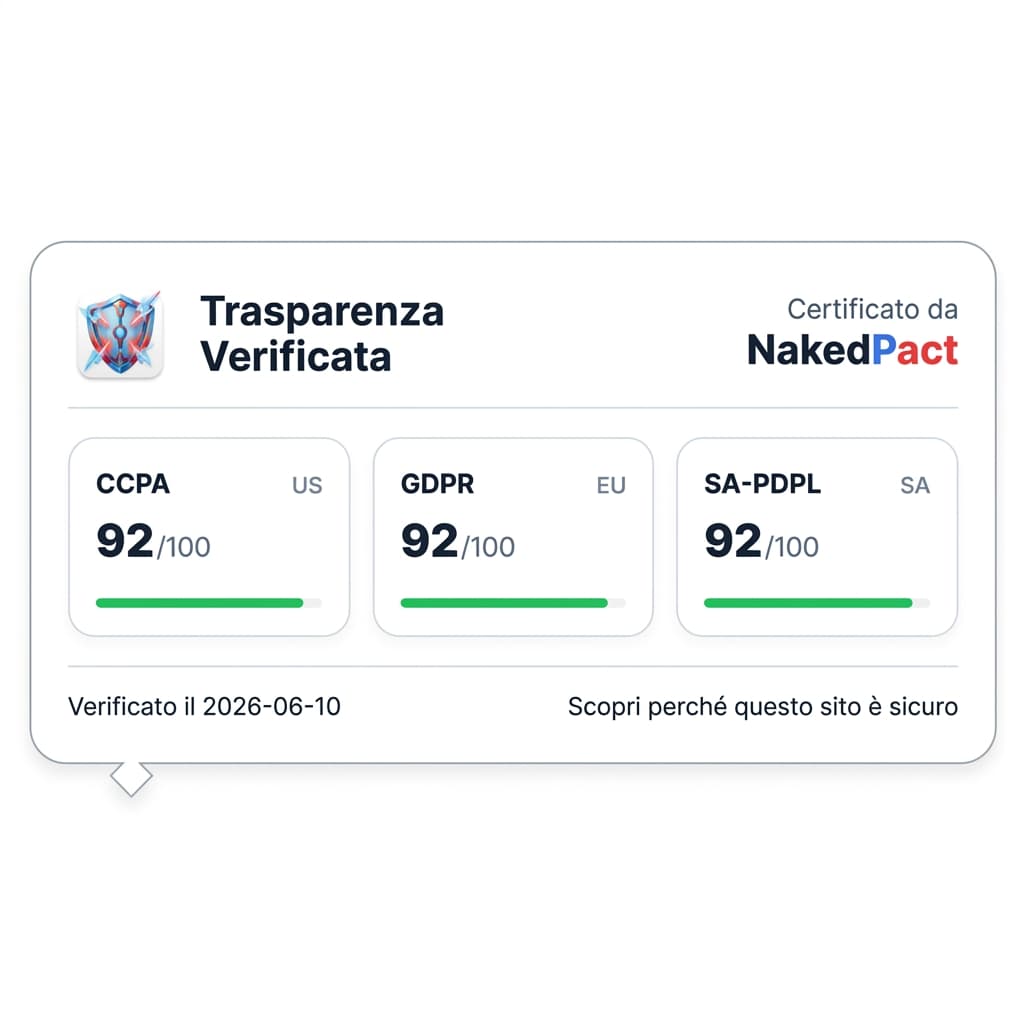
Do you own a website?
Want to communicate your data processing transparency to your users? Dynamically use our badge and showcase your platform's compliance.
Recommended Readings


🛡️ Protect your rights with one click
Don't risk signing abusive clauses. Install the free NakedPact extension for Chrome or Firefox and instantly analyze any contract on the web.
Don't trust, verify.
Now that you know the risks, don't sign blindly. Upload your contract to NakedPact and let AI find the hidden clauses for you. It's 100% free.
Analyze Your Contract Now