
Poste Italiane and Postepay Fined €12.5 Million: A GDPR Wake-Up Call for Every Company

Table of Contents
Imagine getting a €12.5 million parking ticket. That’s what happened to Poste Italiane and Postepay, but instead of a parking violation, they forgot to read the fine print of privacy laws. Italy’s Garante per la protezione dei dati personali handed down this eye-watering penalty for multiple GDPR breaches, setting a precedent that every company handling personal data should take seriously.
What Did Poste Italiane and Postepay Do Wrong?
According to the Garante, the violations go beyond a simple oversight. The companies failed to implement adequate security measures, improperly handled customer consent, and didn’t comply with data retention principles. Think of it like leaving your front door wide open and then wondering why someone walked off with your TV.
In addition, they processed personal data without a valid legal basis and didn’t properly inform users about how their information was used. Oops. That’s a big no-no under Article 5 and 6 of the GDPR.
Featured Snippet: What Were the Key GDPR Violations?
Poste Italiane and Postepay violated GDPR principles including lack of data minimization, insufficient security measures, and failure to obtain valid consent for marketing purposes. The fines amount to over €12.5 million combined.
Lessons for Your Business
Reading the GDPR is about as fun as watching paint dry, but ignoring it costs a lot more than a new paint job. Here are three takeaways:
- Security first: If your data security is weaker than a password123, you’re asking for trouble.
- Consent is king: Don’t assume you have permission to use people’s data. Get clear, explicit consent.
- Clean house: Regularly delete data you no longer need. Hoarding is for squirrels, not data processors.
Want to dive deeper into the GDPR? Check out the official regulation at EUR-Lex.
FAQ
What specific laws did Poste Italiane and Postepay violate?
They violated several GDPR articles, including Article 5 (principles), Article 6 (lawfulness of processing), Article 13 (information obligations), and Article 32 (security of processing).
How does this fine affect other companies?
It serves as a stark warning that regulators are cracking down on privacy violations. Companies must prioritize GDPR compliance or risk similar penalties.
What should a company do if it faces a similar investigation?
Immediately review data protection policies, conduct a Data Protection Impact Assessment (DPIA), and cooperate with the supervisory authority. Consider hiring a DPO.
GDPR Compliance Checklist
- Implement data encryption & access controls
- Obtain explicit consent for processing
- Conduct regular Data Protection Impact Assessments
- Delete outdated personal data
- Appoint a Data Protection Officer
- Provide clear privacy notices
Click the checkboxes? Unfortunately, pure CSS can't handle clicks, but you can mentally check off your progress!

NakedPact Editorial Committee
Article created by the NakedPact editorial team. Our mission is to analyze, simplify, and expose unfair terms and hidden risks in everyday contracts to protect citizens and consumers.
Sources and Legal References
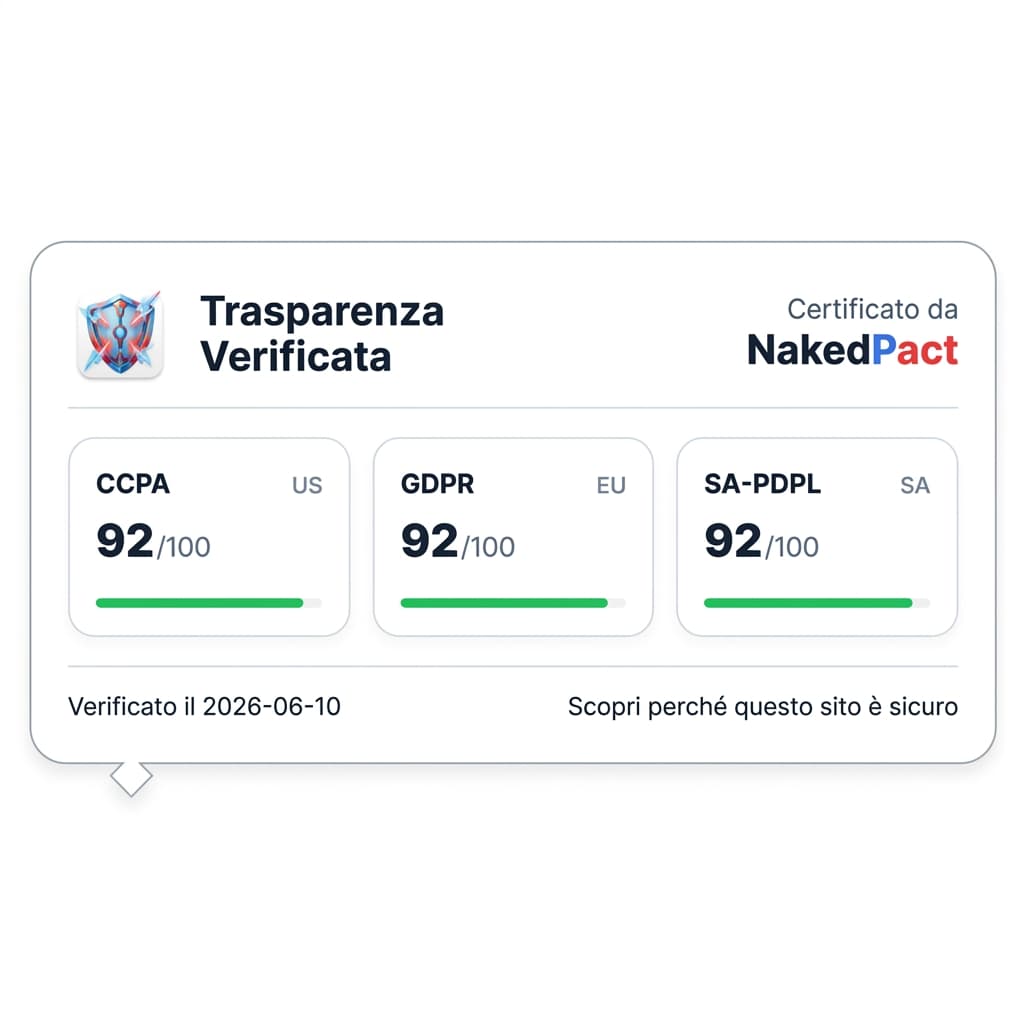
Do you own a website?
Want to communicate your data processing transparency to your users? Dynamically use our badge and showcase your platform's compliance.
Recommended Readings


🛡️ Protect your rights with one click
Don't risk signing abusive clauses. Install the free NakedPact extension for Chrome or Firefox and instantly analyze any contract on the web.
Don't trust, verify.
Now that you know the risks, don't sign blindly. Upload your contract to NakedPact and let AI find the hidden clauses for you. It's 100% free.
Analyze Your Contract Now