
Data Localization in Saudi Arabia: Is It Mandatory Under the PDPL?

Table of Contents
Imagine you're a global company with customers in Saudi Arabia. You collect their data, process it, and store it on servers in Europe or the US. Under Saudi Arabia's new Personal Data Protection Law (PDPL), that might be illegal. The law mandates that personal data of Saudi residents must be stored and processed within the country—unless you meet specific exceptions. But is localization truly mandatory? Let's dive in.
What Does the PDPL Say About Data Localization?
The PDPL, enacted in 2021 and effective from March 2022, requires that personal data be stored and processed in Saudi Arabia. Article 28 states that transferring personal data outside the kingdom is prohibited unless certain conditions are met. This effectively creates a data localization requirement.
Featured Snippet Bait: Under Saudi Arabia's PDPL, personal data must be stored and processed within the kingdom. Transfer outside is only allowed if the data subject consents, the transfer is necessary for a contract, or the destination country has adequate data protection laws.
Exceptions to the Localization Rule
There are a few exceptions. For example, data can be transferred if the data subject explicitly consents, or if the transfer is necessary to perform a contract with the data subject. Also, transfers to countries with adequate data protection standards (as determined by the Saudi authority) are allowed. But these exceptions are narrow.
Think of it like this: you wouldn't leave your passport at a stranger's house. Similarly, Saudi law wants its citizens' data to stay within its borders, unless there's a very good reason and proper safeguards.
What This Means for Businesses
If you process data of Saudi residents, you need to ensure your servers are in Saudi Arabia or that you have a legal basis for transfer. Many companies are setting up local data centers or using cloud providers with Saudi-based regions. Non-compliance can lead to fines up to 5 million SAR (about $1.3 million) and criminal penalties.
But don't panic. The law is still being implemented, and the Saudi Data & AI Authority (SDAIA) is expected to issue further guidance. For now, start by mapping your data flows and assessing whether you need to localize.
Practical Steps to Comply
- Conduct a data audit to identify personal data of Saudi residents.
- Review your data storage and processing locations.
- If data is stored abroad, evaluate if an exception applies (e.g., consent).
- Consider using a Saudi-based cloud provider or data center.
- Update your privacy policies and consent mechanisms.
For more details, check the official SDAIA website for updates.
FAQ
Is data localization mandatory for all types of data under the PDPL?
Yes, the PDPL requires that personal data be stored and processed in Saudi Arabia. However, there are exceptions for transfers with consent, contractual necessity, or to countries with adequate protection.
What are the penalties for non-compliance with data localization?
Violations can result in fines up to 5 million SAR (approximately $1.3 million) and potential criminal liability for individuals involved.
Can I use a cloud provider like AWS or Azure for Saudi data?
Yes, if the provider has a data center in Saudi Arabia. AWS, Azure, and Google Cloud have or are planning Saudi regions. Ensure your data stays within the kingdom.
PDPL Compliance Checklist
- Identify all personal data of Saudi residents
- Map data flows and storage locations
- Ensure data is stored in Saudi Arabia or meets exception
- Obtain explicit consent for transfers if needed
- Update privacy policy to reflect localization
- Train staff on PDPL requirements

NakedPact Editorial Committee
Article created by the NakedPact editorial team. Our mission is to analyze, simplify, and expose unfair terms and hidden risks in everyday contracts to protect citizens and consumers.
Sources and Legal References
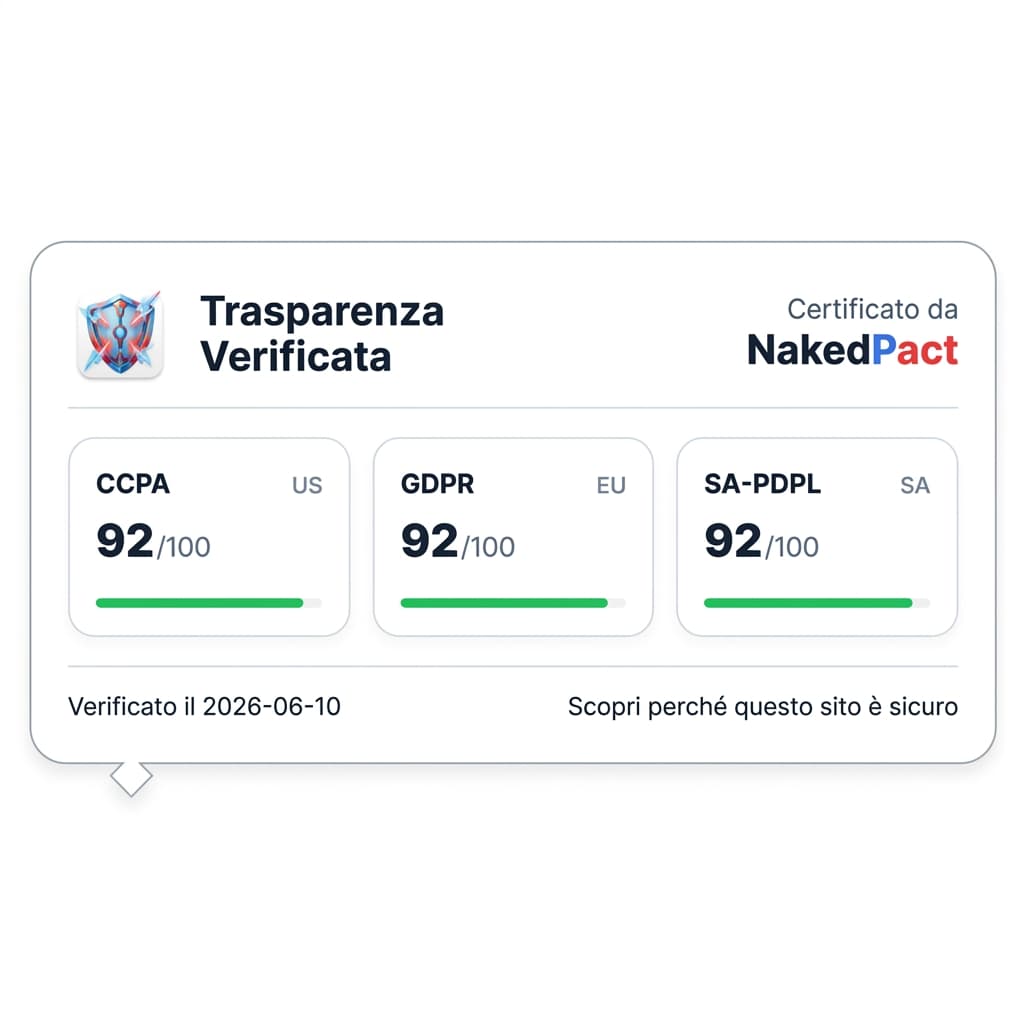
Do you own a website?
Want to communicate your data processing transparency to your users? Dynamically use our badge and showcase your platform's compliance.
Recommended Readings

When a SAR Turns Sour: Handling Hostile or Disproportionate Data Subject Access Requests Under GDPR

Flat-Rate Taxpayers: The June 30 Deadline Is Closer Than You Think

UK-GDPR: How to Actually Use the International Data Transfer Addendum (IDTA) Without Losing Your Mind
🛡️ Protect your rights with one click
Don't risk signing abusive clauses. Install the free NakedPact extension for Chrome or Firefox and instantly analyze any contract on the web.
Don't trust, verify.
Now that you know the risks, don't sign blindly. Upload your contract to NakedPact and let AI find the hidden clauses for you. It's 100% free.
Analyze Your Contract Now