
EDPB Demands Legal Basis for Data Sharing Between Regulators: What It Means for GDPR

Table of Contents
Why This Matters Now
The European Data Protection Board (EDPB) just dropped a bombshell: regulators need a clear legal basis to share information across different fields. Think of it like firefighters and paramedics arriving at a scene but not being allowed to talk to each other because there's no protocol. That's the current state of data protection enforcement.
This isn't just bureaucratic nitpicking. It directly impacts how GDPR is enforced when multiple authorities—like data protection, competition, and consumer agencies—need to collaborate. Without a legal framework, they're essentially working in silos, which can lead to inconsistent rulings and missed opportunities to protect your data.
The Core Problem: Regulatory Silos
Currently, if a data protection authority suspects a company is violating GDPR, it can't easily share that intel with, say, a competition regulator investigating the same firm for antitrust issues. Each regulator operates under its own legal mandate, and cross-sharing is a gray area.
The EDPB wants to change that. They've issued a statement urging the European Commission to create a clear legal basis for such exchanges. This could mean amendments to GDPR or new legislation altogether.
Featured Snippet: What is the EDPB's proposal?
The EDPB proposes a legal framework allowing regulators from different sectors to share information for enforcement purposes, ensuring consistency and efficiency in data protection across the EU.
How This Could Change GDPR Enforcement
Imagine a scenario: a social media platform is under investigation by both a data protection authority (for privacy violations) and a consumer watchdog (for unfair practices). With a legal basis to share information, both regulators could pool evidence, coordinate actions, and impose a unified penalty. Without it, they might duplicate efforts or even contradict each other.
This is especially relevant for big tech companies that operate across multiple regulatory domains. The EDPB's move signals a shift toward more integrated enforcement, which could mean tougher penalties and faster resolutions.
What's Next?
The ball is now in the European Commission's court. They'll need to propose legislation that balances effective enforcement with safeguards against overreach. For businesses, this means preparing for a more interconnected regulatory landscape. Compliance with one regulator might soon mean compliance with all.
For individuals, it's a step toward stronger protection. When regulators talk, your data is safer. But it also raises questions about how much information is shared and whether your rights are adequately protected in the process.
Stay tuned. This is one of those boring legal developments that could actually make a difference in your digital life.
FAQ
What is the EDPB?
The European Data Protection Board is an independent EU body that ensures consistent application of GDPR across member states.
Why do regulators need a legal basis to share information?
Without a clear legal basis, sharing information could violate data protection laws or exceed regulatory mandates, creating legal risks.
How will this affect companies?
Companies may face more coordinated enforcement actions, requiring them to align compliance efforts across different regulatory areas.

NakedPact Editorial Committee
Article created by the NakedPact editorial team. Our mission is to analyze, simplify, and expose unfair terms and hidden risks in everyday contracts to protect citizens and consumers.
Sources and Legal References
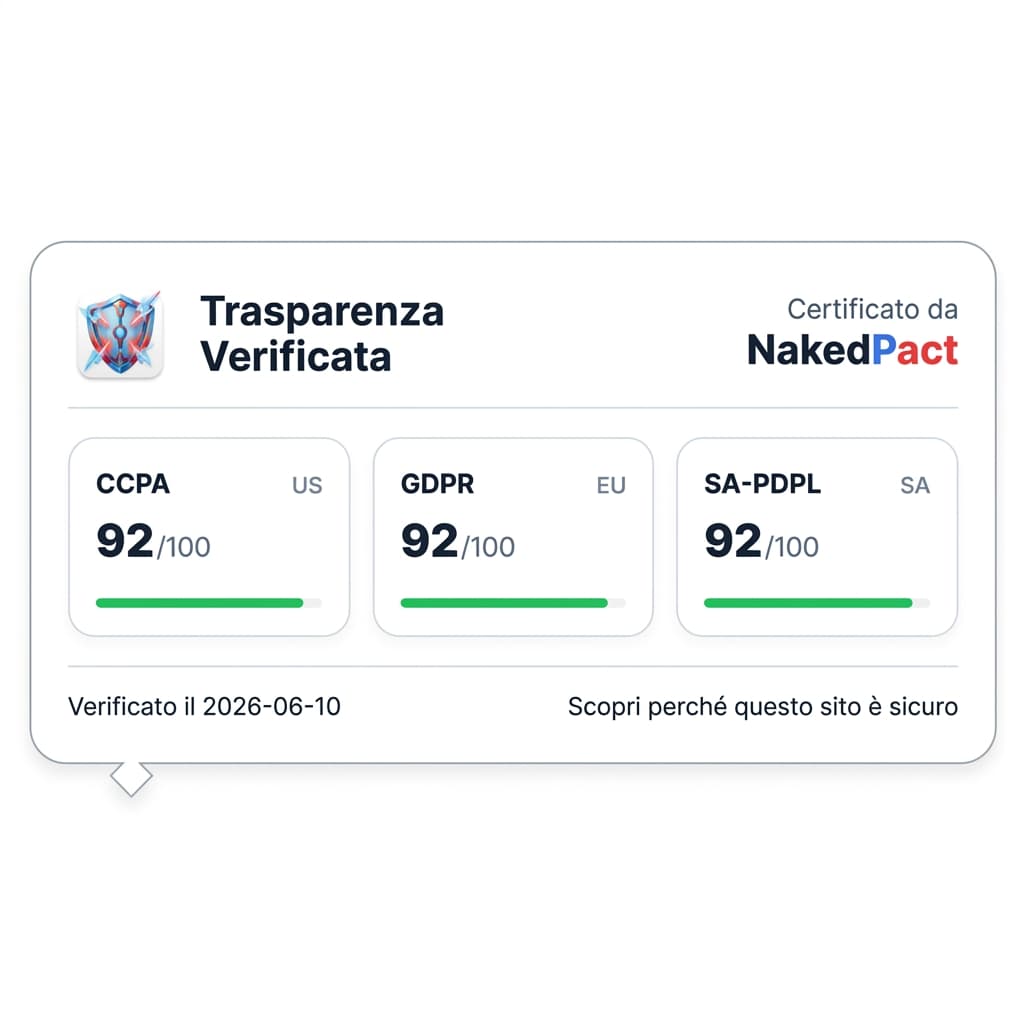
Do you own a website?
Want to communicate your data processing transparency to your users? Dynamically use our badge and showcase your platform's compliance.
Recommended Readings


🛡️ Protect your rights with one click
Don't risk signing abusive clauses. Install the free NakedPact extension for Chrome or Firefox and instantly analyze any contract on the web.
Don't trust, verify.
Now that you know the risks, don't sign blindly. Upload your contract to NakedPact and let AI find the hidden clauses for you. It's 100% free.
Analyze Your Contract Now