
Missed the 72-Hour GDPR Breach Notification Deadline? Here’s Your Emergency Plan

Table of Contents
What to Do When You Can’t Notify the DPA in Time?
If you cannot notify the supervisory authority within 72 hours of becoming aware of a personal data breach, the GDPR requires you to provide a reasoned justification for the delay. This is not a get-out-of-jail-free card, but a structured way to show you acted in good faith.
Featured Snippet Bait: Under Article 33(1) of the GDPR, if you cannot notify the DPA within 72 hours, you must provide a reasoned justification for the delay. This means documenting why the breach was complex, what steps you took to investigate, and when you expect to submit the full notification.
Step 1: Document Everything Immediately
Start a breach log with timestamps: when you discovered the breach, what actions you took, and why you couldn’t meet the deadline. This log is your best friend if the DPA asks questions later.
Step 2: Send a Preliminary Notification
Even if you lack full details, send a brief initial notification within 72 hours. Include: what happened (as far as you know), approximate number of data subjects affected, and a timeline for the full report. This shows you’re not ignoring the obligation.
Step 3: Provide a Reasoned Justification
In your delayed notification, explain clearly why you couldn’t meet the deadline. Valid reasons include: the breach was complex (e.g., involved multiple systems), you needed forensic analysis, or you were waiting for third-party information. Avoid vague excuses like “we were busy.”
Step 4: Communicate with Affected Individuals
If the breach poses a high risk to rights and freedoms, you must also inform the data subjects without undue delay. This is separate from notifying the DPA. Use clear language and explain what they can do to protect themselves.
Step 5: Mitigate and Learn
Take immediate steps to contain the breach and prevent further damage. After the dust settles, conduct a post-mortem to improve your incident response plan. The DPA will look more favorably on organizations that show proactive improvement.
Remember, the 72-hour deadline is not a strict cutoff—it’s a “best effort” requirement. The key is to demonstrate you acted diligently. For official guidance, see Article 33 of the GDPR.
FAQ
What counts as a valid reason for delaying notification?
Valid reasons include: the breach was complex to investigate, you needed to involve external forensic experts, or you were waiting for critical information from a third party. Simply being understaffed or forgetting is not acceptable.
Can I be fined for late notification?
Yes, but fines are discretionary. The DPA will consider the severity of the breach, the reason for delay, and whether you took mitigating actions. A justified delay with good documentation reduces the risk of fines.
Should I notify data subjects even if I missed the DPA deadline?
Yes, if the breach poses a high risk to individuals’ rights and freedoms. Notifying data subjects is a separate obligation under Article 34. Do it as soon as possible, even if your DPA notification is late.

NakedPact Editorial Committee
Article created by the NakedPact editorial team. Our mission is to analyze, simplify, and expose unfair terms and hidden risks in everyday contracts to protect citizens and consumers.
Sources and Legal References
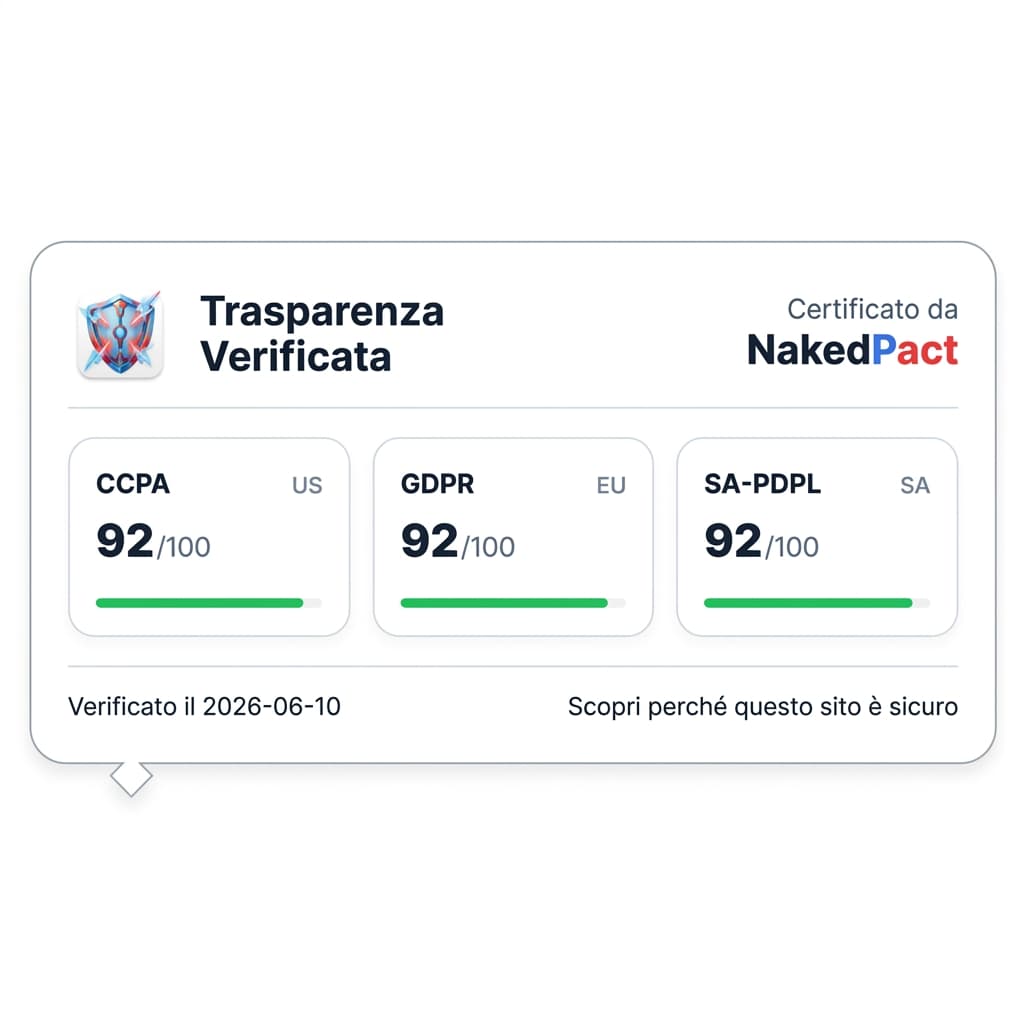
Do you own a website?
Want to communicate your data processing transparency to your users? Dynamically use our badge and showcase your platform's compliance.
Recommended Readings

Brazil's AI Sandbox Results Are Out: Here's What Your Company Needs to Know (Without the Legal Jargon)

When the Privacy Authority Goes Silent: What the Italian Supreme Court Just Ruled

Non-Compete Clauses: When the Ban on Working Becomes a Legal Trap
🛡️ Protect your rights with one click
Don't risk signing abusive clauses. Install the free NakedPact extension for Chrome or Firefox and instantly analyze any contract on the web.
Don't trust, verify.
Now that you know the risks, don't sign blindly. Upload your contract to NakedPact and let AI find the hidden clauses for you. It's 100% free.
Analyze Your Contract Now