
Pseudonymized Data: Japan's Secret Weapon for Competitive Advantage?

Table of Contents
What Makes Pseudonymized Data a Game-Changer in Japan?
Japan's Act on Protection of Personal Information (APPI) now treats pseudonymized data differently from personal data, offering businesses a unique competitive edge. Unlike anonymized data, pseudonymized data retains a link to individuals but is processed without direct identifiers. This allows companies to analyze trends, improve products, and share insights with fewer restrictions.
How APPI Redefines Data Processing
Under APPI, pseudonymized data is not considered personal information if the processing entity cannot re-identify individuals without additional information kept separately. This means you can use it for internal analytics, AI training, and even share it with third parties under certain conditions—without consent. It's like having a VIP pass to the data party while still respecting privacy.
Practical Steps to Leverage Pseudonymized Data
First, implement robust de-identification techniques: replace direct identifiers with tokens, add noise, or aggregate data. Second, document your process to prove compliance. Third, update your privacy policies to inform users about pseudonymized data use. Finally, train your team on the new rules—because even the best pseudonymization fails if someone accidentally emails the key.
Risks and Pitfalls to Avoid
Pseudonymization isn't a magic wand. If you can re-identify data using other information you hold, it's still personal data. Also, cross-border transfers of pseudonymized data may still require safeguards. And remember: Japan's Consumer Affairs Agency can still investigate misuse. So, treat pseudonymized data with care—like a pet tiger: useful but potentially dangerous.
FAQ
Is pseudonymized data completely exempt from APPI?
No. It's exempt from certain obligations like consent for use, but you must still comply with security measures and breach notification rules.
Can I share pseudonymized data with a US partner?
Yes, but you need a lawful basis, such as the recipient's binding corporate rules or a data transfer agreement. Pseudonymization alone doesn't guarantee safe transfer.
What's the difference between pseudonymized and anonymized data under APPI?
Anonymized data cannot be re-identified by anyone, while pseudonymized data can be re-identified by the controller using a key. Anonymized data is not personal data at all; pseudonymized data is still personal data if re-identification is possible.

NakedPact Editorial Committee
Article created by the NakedPact editorial team. Our mission is to analyze, simplify, and expose unfair terms and hidden risks in everyday contracts to protect citizens and consumers.
Sources and Legal References
Do you own a website?
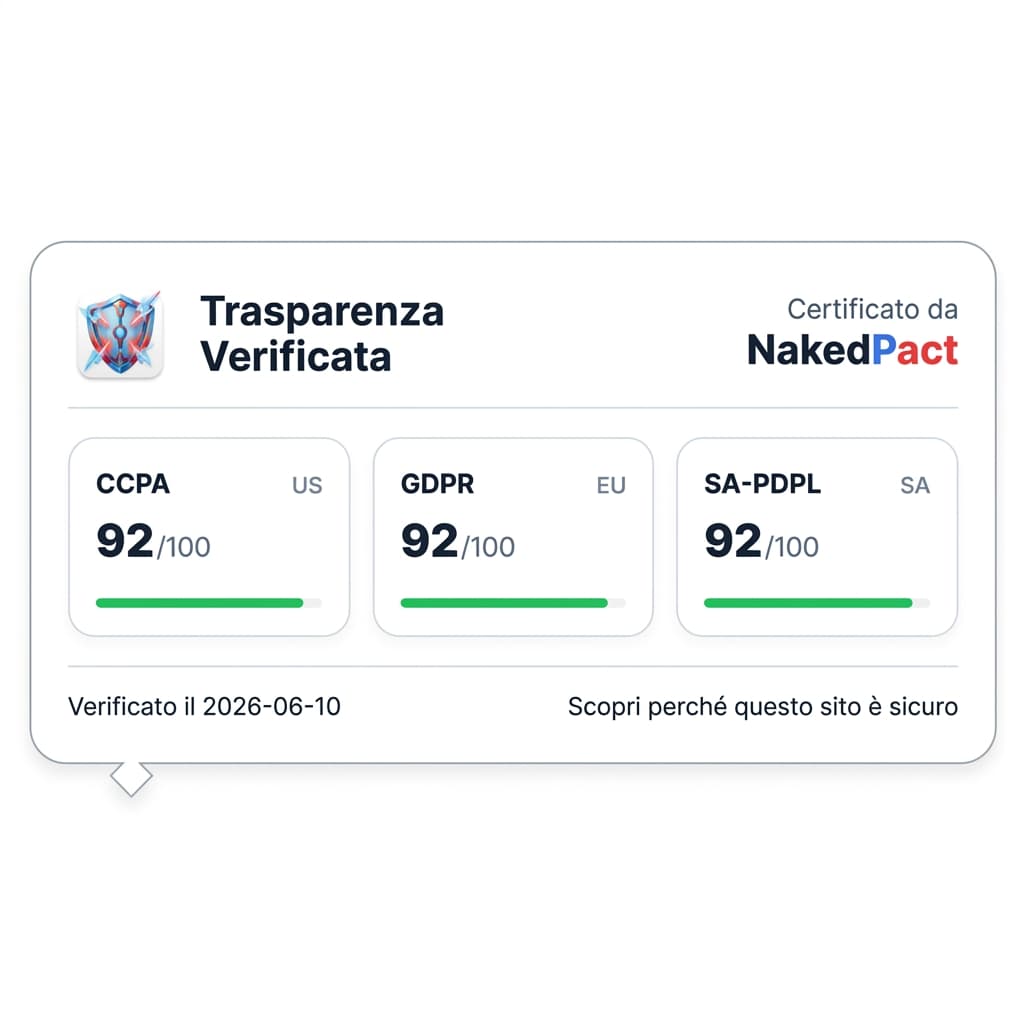
Want to communicate your data processing transparency to your users? Dynamically use our badge and showcase your platform's compliance.
Recommended Readings

Brazil’s Data Watchdog Just Put Porn Sites on Notice: Are You Ready for the LGPD Check?

PIPL Data Transfer Out of China: Is Your Company Required to Pass the CAC Assessment?

Your Smart Fridge Is Spying on You: New UK Guidelines Demand Accountability
🛡️ Protect your rights with one click
Don't risk signing abusive clauses. Install the free NakedPact extension for Chrome or Firefox and instantly analyze any contract on the web.
Don't trust, verify.
Now that you know the risks, don't sign blindly. Upload your contract to NakedPact and let AI find the hidden clauses for you. It's 100% free.
Analyze Your Contract Now