
EU's Cyber Resilience Act Just Got a Roadmap: Your Compliance GPS Is Here

Table of Contents
If you thought the Cyber Resilience Act (CRA) was just another acronym to forget, think again. The European Commission just dropped a detailed map to navigate its requirements, and ignoring it could cost you more than just fines. Think of it as the difference between assembling IKEA furniture with or without the manual – you might eventually get there, but not without swearing and a few leftover screws.
What's in the New Guidelines?
The guidance clarifies the scope: who's in, what's out, and how open source software fits in. Featured snippet bait: The Cyber Resilience Act applies to any product with digital elements (hardware or software) whose intended use includes a direct or indirect data connection to a device or network. Open source software is exempt only if it's developed outside the course of a commercial activity.
Key Clarifications You Need to Know
- Scope: Products with digital elements, from smart light bulbs to operating systems.
- Open Source: Free and community-managed is out; commercially backed open source is in.
- Substantial Modifications: Any change that affects cybersecurity risk or product functionality must be reassessed.
- Reporting Obligations: You now have clear timelines for reporting vulnerabilities and incidents.
When Do I Need to Comply?
Mark your calendars: September 2026 for most provisions, and December 2027 for reporting and incident handling. Yes, it's a marathon, but the guidelines are your training plan.
For the full official text, check the Cyber Resilience Act on EUR-Lex.
FAQ
What is the Cyber Resilience Act?
The CRA is an EU regulation that sets cybersecurity requirements for products with digital elements, ensuring they are secure by design and throughout their lifecycle.
Who does the CRA apply to?
Manufacturers, importers, and distributors of connected devices, software, and components sold in the EU, with exceptions for open source software not commercialized.
What are the key deadlines?
Compliance with most obligations by September 2026, and with reporting obligations by December 2027.
Now
Understand the guidelines and read the official text.
2025
Start gap analysis and design security into products.
Sept 2026
Most obligations apply – products must be compliant.
Dec 2027
Reporting obligations (vulnerabilities & incidents) kick in.

NakedPact Editorial Committee
Article created by the NakedPact editorial team. Our mission is to analyze, simplify, and expose unfair terms and hidden risks in everyday contracts to protect citizens and consumers.
Sources and Legal References
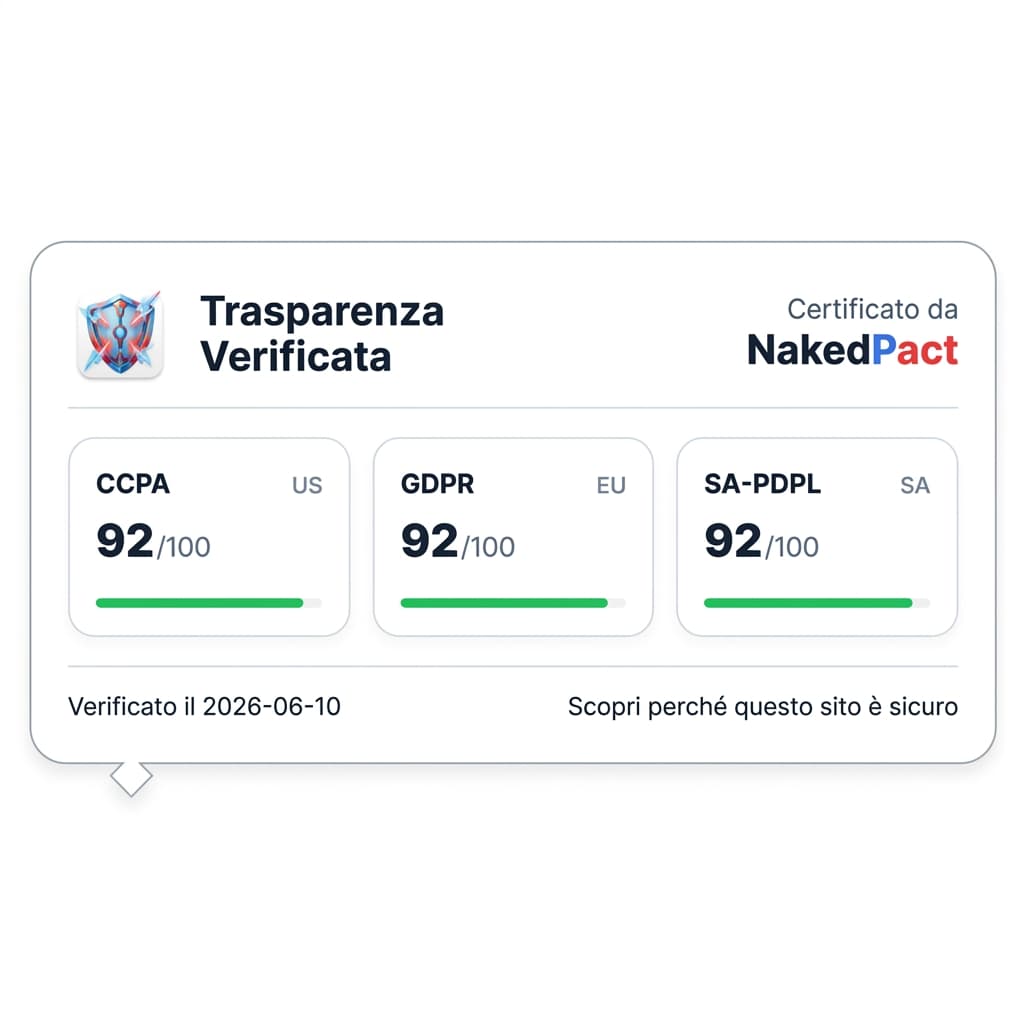
Do you own a website?
Want to communicate your data processing transparency to your users? Dynamically use our badge and showcase your platform's compliance.
Recommended Readings


🛡️ Protect your rights with one click
Don't risk signing abusive clauses. Install the free NakedPact extension for Chrome or Firefox and instantly analyze any contract on the web.
Don't trust, verify.
Now that you know the risks, don't sign blindly. Upload your contract to NakedPact and let AI find the hidden clauses for you. It's 100% free.
Analyze Your Contract Now