
UK GDPR vs EU GDPR: The Privacy Divorce That’s More Awkward Than Your Ex’s New Rules for the Kitchen

Table of Contents
What’s the Main Difference Between UK GDPR and EU GDPR?
The main difference is that UK GDPR is the retained version of EU GDPR as of 31 December 2020, adapted for UK domestic law. While both share the same core principles, UK GDPR operates independently, with its own ICO enforcement, separate adequacy decisions, and tweaks like different age of consent for children (13 vs 16).
Imagine you and your roommate split up. You both keep the same furniture, but now you have different rules for the shared kitchen. That’s Brexit and the GDPR. The UK GDPR and EU GDPR are basically the same regulation, but after the divorce, each side started making small, annoying changes. Let’s dive into the mess.
The Great Data Flow Fiasco
Before Brexit, data flowed freely between the UK and EU like cheap wine at a wedding. Now? It’s more like a border crossing with a grumpy guard. The EU granted the UK an adequacy decision in 2021, meaning data can still flow from the EU to the UK without extra safeguards. But—and there’s always a but—this adequacy is under review every four years. The UK could lose it if it starts acting like a data cowboy.
Meanwhile, the UK has its own adequacy decisions for other countries, which might not match the EU’s list. So if you’re a company transferring data from the UK to, say, Japan, you need to check both lists. It’s like having two different Netflix accounts—confusing and slightly more expensive.
ICO vs EDPB: The Cool vs The Bureaucrat
The UK’s data protection authority, the ICO, is like that friend who says “chill, we’ll figure it out.” The European Data Protection Board (EDPB) is more like a strict librarian who shushes you for breathing too loud. The ICO has been known to issue lighter fines and take a more business-friendly approach. For example, the ICO fined British Airways £20 million for a data breach—sounds huge, but the EU GDPR could have fined them up to €20 million or 4% of global turnover, whichever is higher. The ICO’s fine was a slap on the wrist compared to what the EU might have done.
Also, the ICO doesn’t have to follow the EDPB’s guidelines. So if the EDPB says “thou shalt not use dark patterns,” the ICO might say “eh, let’s see.” This creates a split in enforcement that makes compliance fun (read: headache-inducing).
Key Differences at a Glance
- Age of consent for children: UK GDPR says 13; EU GDPR says 16 (with member states able to lower it to 13). So if you’re a social media platform, you need to check where the kid lives.
- Representative requirement: Under EU GDPR, non-EU companies must appoint a representative in the EU. Under UK GDPR, non-UK companies must appoint a representative in the UK. So if you’re a US company serving both markets, you need two reps. Fun.
- International transfers: The UK has its own list of adequate countries, which currently includes the EU, EEA, and a few others. The EU’s list is different. So you need to check both before sending data to, say, South Korea.
- One-stop-shop: The EU GDPR has a one-stop-shop mechanism for companies with multiple EU establishments. The UK GDPR doesn’t have this—you deal with the ICO directly.
Practical Tips for the Privacy-Weary
If you’re a business dealing with both UK and EU data subjects, here’s the brutal truth: you need to comply with both. That means updating your privacy notices to mention both regulators, having separate DPOs if needed, and monitoring both the ICO and EDPB for guidance. It’s like having two mothers-in-law—you can’t ignore either.
One practical step: use standard contractual clauses (SCCs) for data transfers between the UK and EU, even though there’s an adequacy decision. Why? Because adequacy can be revoked, and SCCs are a safety net. Also, document everything. The ICO loves documentation almost as much as the EU does.
The Future: More Divergence?
The UK is considering reforms to its GDPR, including reducing the burden on small businesses and allowing more AI innovation. The EU, meanwhile, is tightening the screws with the AI Act and ePrivacy Regulation. So the gap will likely widen. If you’re a privacy professional, buckle up—it’s going to be a bumpy ride.
In summary, the UK GDPR and EU GDPR are like twins separated at birth. They look the same, but one has a tattoo and the other has a stick up its… well, you get the idea. Stay informed, stay compliant, and maybe invest in a good privacy lawyer.

NakedPact Editorial Committee
Article created by the NakedPact editorial team. Our mission is to analyze, simplify, and expose unfair terms and hidden risks in everyday contracts to protect citizens and consumers.
Sources and Legal References
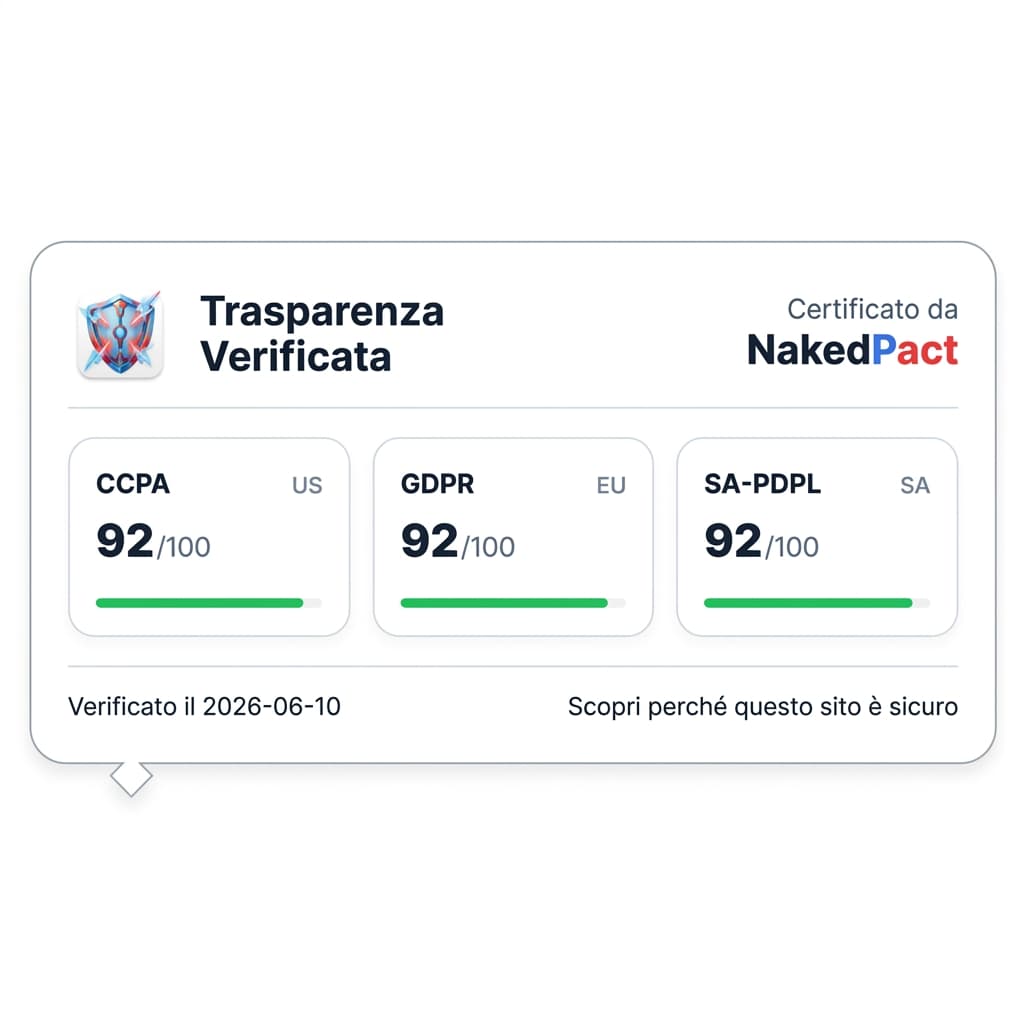
Do you own a website?
Want to communicate your data processing transparency to your users? Dynamically use our badge and showcase your platform's compliance.
Recommended Readings


🛡️ Protect your rights with one click
Don't risk signing abusive clauses. Install the free NakedPact extension for Chrome or Firefox and instantly analyze any contract on the web.
Don't trust, verify.
Now that you know the risks, don't sign blindly. Upload your contract to NakedPact and let AI find the hidden clauses for you. It's 100% free.
Analyze Your Contract Now