
Web Scraping for AI Training: GDPR Just Got Real (and So Should Your Compliance)

Table of Contents
What's the Deal with Web Scraping and GDPR?
Imagine you're building a generative AI model. You need data—lots of it. So you scrape the web, pulling in everything from news articles to social media posts. But here's the kicker: if that data includes personal information (like names, email addresses, or even opinions that can identify someone), the GDPR applies. And it's not just a suggestion—it's the law.
This week, the IAPP Daily Dashboard highlighted a crucial reflection: web scraping for generative AI training is subject to GDPR. That means companies developing or using AI must ensure they have a valid legal basis for processing personal data and provide transparency about how that data is used. No more 'move fast and break things'—at least not without a privacy impact assessment.
Why This Matters for Your AI Project
If you're thinking, 'But we're just training a model, not targeting individuals,' think again. The GDPR doesn't care about your intentions—it cares about the impact. When your AI spits out a response that includes someone's personal data, that's processing. And processing without a lawful basis is a one-way ticket to a fine of up to 4% of global annual turnover.
So, what's a lawful basis? For web scraping, it's usually either consent (good luck getting that from every scraped user) or legitimate interest (which requires a balancing test and is tricky for scraping). The safest bet? Use publicly available data that doesn't include personal information, or anonymize it before training. But even then, you need to be transparent about your data sources.
Transparency: The New Black
Remember when reading Terms and Conditions was as fun as cleaning grout with a toothbrush? Well, now you need to make your data practices equally clear—but hopefully more engaging. Under GDPR, you must inform individuals about what data you're collecting, why, and how long you'll keep it. For AI training, that means disclosing that their data might be used to train a model that could generate content about them.
And don't forget the right to object. If someone says, 'I don't want my data used for AI training,' you need to respect that—even if you scraped it from a public website. The GDPR gives individuals control over their data, and AI companies can't just ignore that.
Practical Steps for Compliance
First, conduct a Data Protection Impact Assessment (DPIA). This isn't just a checkbox—it's a deep dive into how your AI processes personal data and what risks it poses. Second, document your legal basis. If you're relying on legitimate interest, show your balancing test. Third, be transparent. Update your privacy policy to explain your scraping practices and how individuals can exercise their rights.
And here's a pro tip: consider using synthetic data or data from sources that explicitly allow AI training. It's cleaner, safer, and less likely to land you in hot water.
Featured Snippet Bait
Does web scraping for AI training require a legal basis under GDPR? Yes, if the scraped data includes personal information. You need a lawful basis (like consent or legitimate interest) and must provide transparency about the processing. Failing to do so can result in significant fines.
FAQ
Can I scrape public social media profiles for AI training without consent?
Generally, no. Even public profiles contain personal data, and the GDPR requires a lawful basis for processing. Consent is unlikely, and legitimate interest is hard to justify for scraping at scale. You'd need to assess on a case-by-case basis.
What if I anonymize the data before training?
Anonymization can remove GDPR obligations, but it must be irreversible. If the data can be re-identified, it's still personal data. Also, you need to consider the source—if you scraped it without a lawful basis, anonymization doesn't retroactively fix that.
What are the penalties for non-compliance?
Up to €20 million or 4% of global annual turnover, whichever is higher. Plus reputational damage and potential lawsuits from affected individuals.

NakedPact Editorial Committee
Article created by the NakedPact editorial team. Our mission is to analyze, simplify, and expose unfair terms and hidden risks in everyday contracts to protect citizens and consumers.
Sources and Legal References
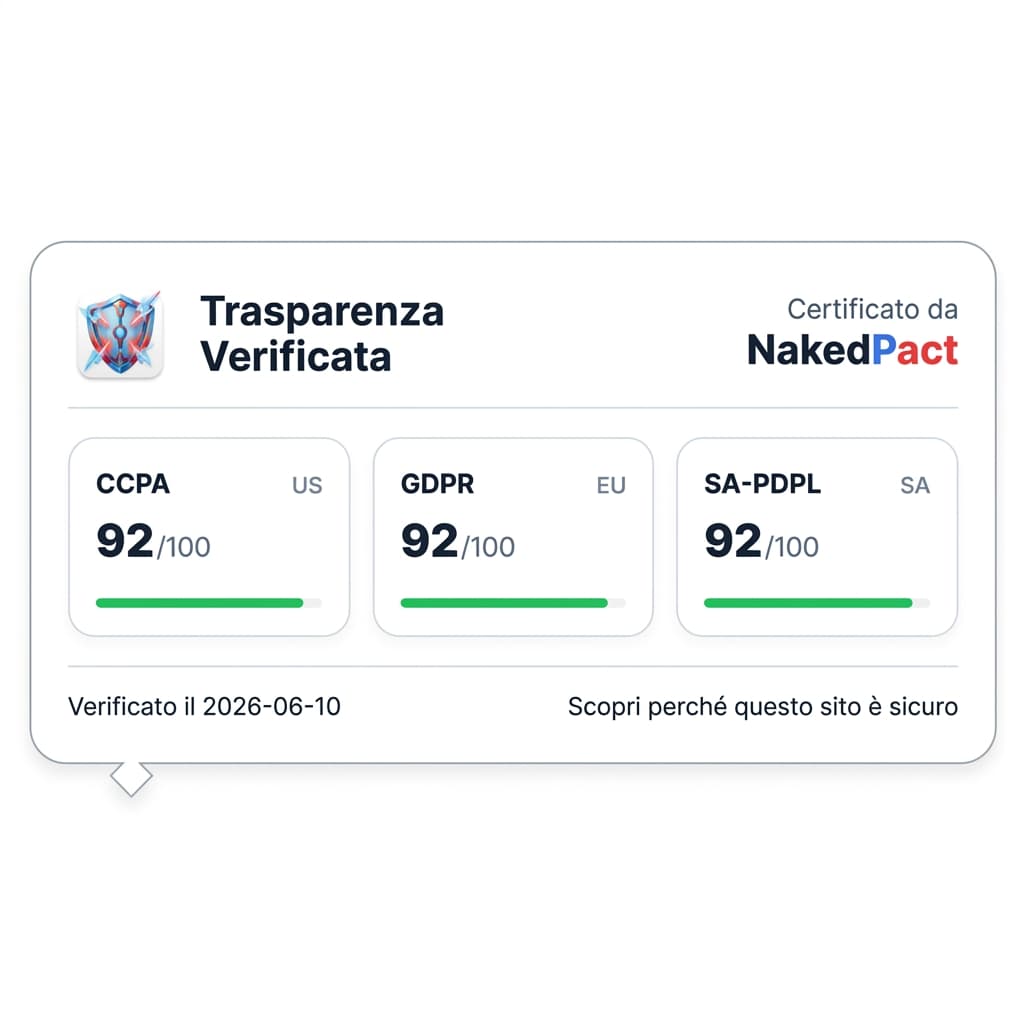
Do you own a website?
Want to communicate your data processing transparency to your users? Dynamically use our badge and showcase your platform's compliance.
Recommended Readings


🛡️ Protect your rights with one click
Don't risk signing abusive clauses. Install the free NakedPact extension for Chrome or Firefox and instantly analyze any contract on the web.
Don't trust, verify.
Now that you know the risks, don't sign blindly. Upload your contract to NakedPact and let AI find the hidden clauses for you. It's 100% free.
Analyze Your Contract Now