
Brazil’s ANPD Extends Public Consultation: Your Chance to Shape Data Transparency Rules

Table of Contents
If you’ve ever tried to read a privacy policy and felt like you were deciphering ancient hieroglyphics, you’re not alone. The Brazilian data protection authority (ANPD) knows this pain, and that’s why they’re drafting a Guide on Transparency and Personal Data Protection. And guess what? They’ve just extended the public consultation deadline, giving you more time to tell them what “transparency” really means.
What’s the Big Deal About This Guide?
The guide aims to provide practical, actionable guidelines for companies on how to be transparent when processing personal data. Think of it as the “plain English” rulebook for privacy notices, consent forms, and data subject rights communications. It’s not just about legal compliance—it’s about building trust with users who are tired of legalese.
Featured Snippet Bait: The ANPD’s Transparency Guide will clarify how companies must present data processing information clearly, concisely, and in a user-friendly manner, helping consumers understand exactly what happens to their data.
Why the Extension?
The original deadline was tight, and many stakeholders—especially small and medium businesses—asked for more time to prepare meaningful contributions. The ANPD listened. This is your chance to influence the rules that will govern data transparency in Brazil for years to come.
What Should You Submit?
Your input should focus on practical challenges: How can companies make privacy notices less like a novel? What formats work best for different audiences? Should there be standardized icons or layered notices? The ANPD wants real-world insights, not theoretical fluff.
For reference, the EU’s GDPR transparency requirements offer a good starting point, but Brazil’s LGPD has its own nuances. Your contribution can help tailor the guide to the Brazilian context.
How to Participate
Visit the ANPD’s official consultation portal (link on their website) and submit your comments in Portuguese. Be specific: cite examples, propose wording, and explain why your suggestion matters. The deadline is now [insert new date if known, otherwise say “check the ANPD site”].
Don’t miss this opportunity. It’s like being invited to rewrite the instruction manual for a product you use every day—except this manual affects millions of people’s privacy.
FAQ
Who can participate in the public consultation?
Any individual or organization—companies, NGOs, academics, and citizens—can submit contributions. The ANPD values diverse perspectives.
Will the guide be legally binding?
No, it’s a guideline, not a regulation. However, it will serve as a reference for compliance and may be used by the ANPD in enforcement actions.
What happens after the consultation?
The ANPD will analyze all contributions and publish a final version of the guide, incorporating feedback where appropriate.

NakedPact Editorial Committee
Article created by the NakedPact editorial team. Our mission is to analyze, simplify, and expose unfair terms and hidden risks in everyday contracts to protect citizens and consumers.
Sources and Legal References
Do you own a website?
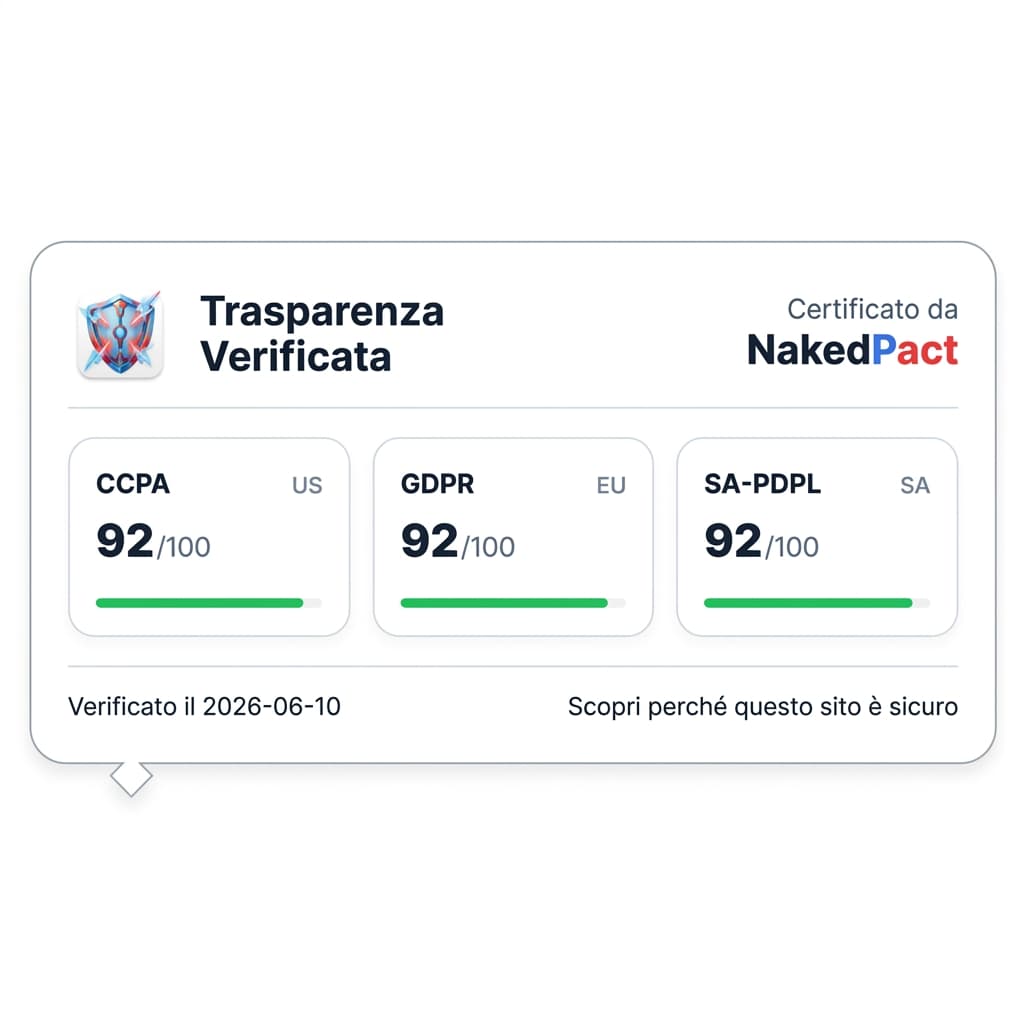
Want to communicate your data processing transparency to your users? Dynamically use our badge and showcase your platform's compliance.
Recommended Readings



🛡️ Protect your rights with one click
Don't risk signing abusive clauses. Install the free NakedPact extension for Chrome or Firefox and instantly analyze any contract on the web.
Don't trust, verify.
Now that you know the risks, don't sign blindly. Upload your contract to NakedPact and let AI find the hidden clauses for you. It's 100% free.
Analyze Your Contract Now