
Singapore’s PDPC Cracks Down on NRIC Misuse: Your Compliance Cheat Sheet

Table of Contents
What’s the Big Deal with NRIC Numbers?
If you’ve ever asked a customer for their NRIC number just to check their loyalty points, you might want to sit down. Singapore’s Personal Data Protection Commission (PDPC) has just announced stricter enforcement against improper use of NRIC numbers, and the fines are getting real. Think of it like this: using an NRIC as a casual identifier is like using a sledgehammer to crack a nut—effective, but you’ll break everything around it.
Featured Snippet: What is the PDPC’s new guidance on NRIC numbers?
The PDPC’s new advisory clarifies that businesses must stop collecting NRIC numbers unless legally required or for specific high-risk purposes. They must also implement strict access controls and retention limits. Non-compliance can lead to financial penalties up to 10% of annual turnover.
Why the Crackdown Now?
Singapore has long treated NRIC numbers as sensitive personal data, but many businesses still treat them like a universal key. The PDPC’s latest move is a wake-up call: from now on, using NRIC numbers for routine verification (like checking into a gym or processing a return) is a no-go. The commission has published a new advisory with operational guidance, and they mean business.
What’s Changing for Your Business?
1. Stop Collecting NRIC Numbers Unless Absolutely Necessary
If you’re asking for NRIC numbers for anything other than legal obligations (e.g., tax reporting, employment) or high-risk transactions (e.g., property purchases), stop. Use alternative identifiers like customer IDs or phone numbers instead.
2. Implement Strict Access Controls
Only employees who genuinely need NRIC data should have access. And no, “everyone in the marketing team” doesn’t count. Use role-based permissions and audit logs.
3. Set Retention Limits
Don’t keep NRIC numbers forever. Delete them as soon as the purpose is fulfilled. The PDPC suggests a maximum retention period of 30 days after the transaction, unless a law says otherwise.
What Happens If You Don’t Comply?
Fines can reach up to 10% of your annual turnover in Singapore, or SGD 1 million, whichever is higher. Plus, the reputational damage? Let’s just say it’s not a good look. The PDPC has already started enforcement actions, and more are coming.
Practical Steps to Get Compliant
- Audit all current NRIC collection points (online forms, physical sign-ups, etc.).
- Replace NRIC fields with alternative identifiers where possible.
- Train staff on the new rules—make it fun, like a quiz with prizes.
- Update your privacy policy and consent forms.
- Set up a data retention schedule and automate deletion.
FAQ
Can I still ask for NRIC numbers for security purposes?
Only if there’s a legal requirement or a genuine high-risk need. For most routine security checks, use other methods like photo IDs or PINs.
What if a customer voluntarily gives me their NRIC number?
Even if they offer, you cannot collect it unless you have a valid purpose under the PDPC’s guidance. Voluntary consent doesn’t override the rules.
How long can I keep NRIC data after a transaction?
The PDPC recommends no longer than 30 days after the purpose is fulfilled, unless a specific law requires longer retention.

NakedPact Editorial Committee
Article created by the NakedPact editorial team. Our mission is to analyze, simplify, and expose unfair terms and hidden risks in everyday contracts to protect citizens and consumers.
Sources and Legal References
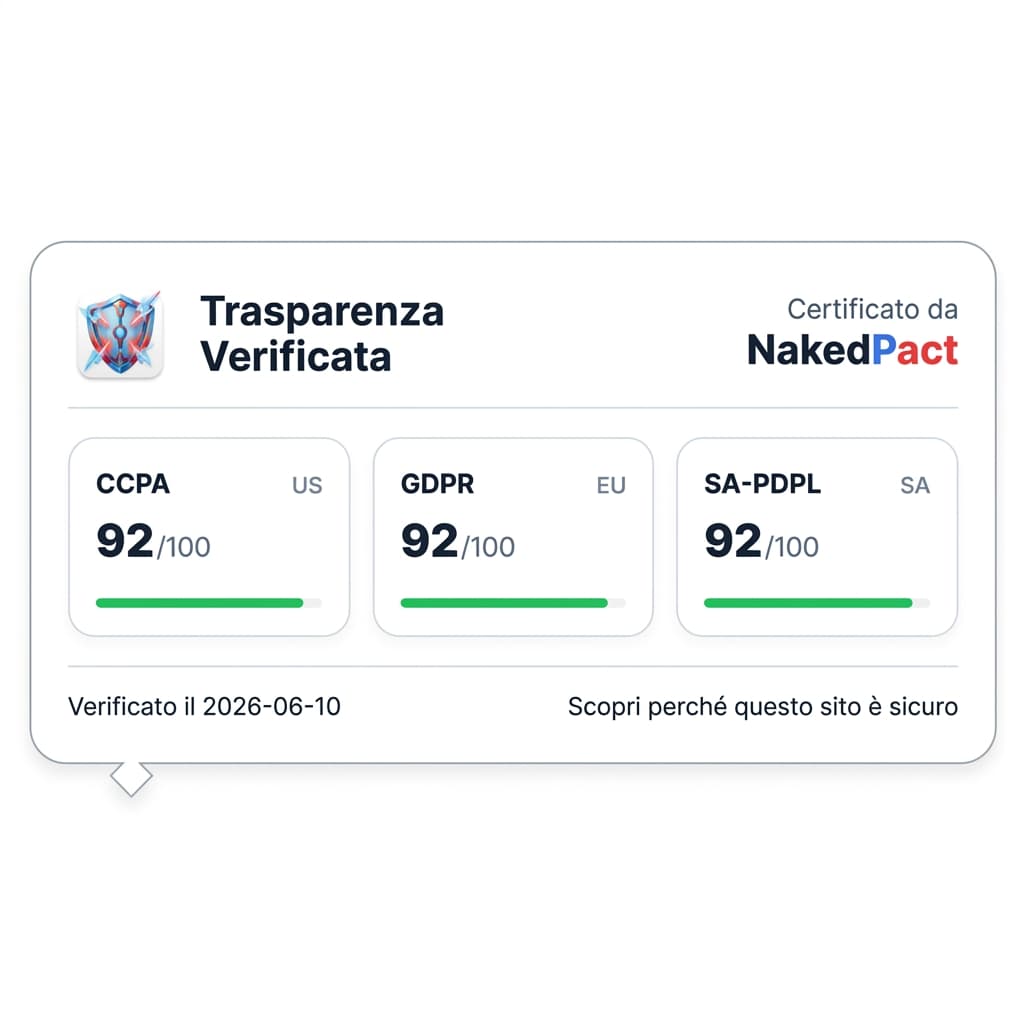
Do you own a website?
Want to communicate your data processing transparency to your users? Dynamically use our badge and showcase your platform's compliance.
Recommended Readings


🛡️ Protect your rights with one click
Don't risk signing abusive clauses. Install the free NakedPact extension for Chrome or Firefox and instantly analyze any contract on the web.
Don't trust, verify.
Now that you know the risks, don't sign blindly. Upload your contract to NakedPact and let AI find the hidden clauses for you. It's 100% free.
Analyze Your Contract Now