
AI-Powered Cyber Threats: The ECB's 4 Fronts in Its Letter to Banks

Table of Contents
Imagine reading your bank's terms and conditions—it's about as fun as cleaning grout with a toothbrush. But the European Central Bank (ECB) just sent a letter that makes that task look like a beach holiday. They're demanding banks take action against AI-powered cyber threats by October 31, 2026, under the DORA regulation. No pressure, right?
What's the ECB's Letter About?
The ECB's letter to Eurozone banks outlines four critical fronts where AI is weaponizing cyber attacks: deepfakes, automated phishing, adversarial AI, and data poisoning. Banks must submit a plan to boost resilience by the deadline. This isn't just a suggestion—it's a regulatory requirement under DORA (Digital Operational Resilience Act).
Featured Snippet: What are the 4 AI cyber threats the ECB warns banks about?
The ECB identifies deepfakes for fraud, automated phishing at scale, adversarial AI that evades detection, and data poisoning to corrupt machine learning models. These threats exploit AI's speed and adaptability, making traditional defenses obsolete.
Why DORA Makes This a Big Deal
DORA isn't just for banks. Any financial entity in the EU—payment processors, crypto exchanges, even some tech firms—must comply. The regulation harmonizes cyber resilience rules, forcing companies to test, report, and recover from attacks. The ECB's letter is a shot across the bow: AI threats are here, and DORA is the stick.
The 4 Fronts Explained
1. Deepfakes
Imagine a CEO's voice perfectly cloned to authorize a fraudulent transfer. Deepfakes are no longer sci-fi. Banks need detection tools and employee training to spot synthetic media.
2. Automated Phishing
AI can craft personalized phishing emails in seconds, targeting thousands. Traditional filters struggle. Banks must deploy AI-driven defenses and multi-factor authentication.
3. Adversarial AI
Attackers manipulate AI models—like fraud detection systems—by feeding them deceptive data. Banks need robust model validation and monitoring.
4. Data Poisoning
By corrupting training data, attackers can make AI systems learn the wrong patterns. This requires strict data governance and continuous auditing.
What Banks (and Others) Must Do Now
First, don't panic. But do start mapping your AI dependencies. The ECB wants a concrete action plan by 2026, covering risk assessments, incident response, and third-party oversight. For non-banks under DORA, the clock is ticking too. Read the full DORA regulation here.
Think of it like this: you wouldn't leave your front door unlocked just because you have a security camera. AI threats are the lockpicks of the digital age. Update your locks.
FAQ
What is DORA?
DORA (Digital Operational Resilience Act) is an EU regulation requiring financial entities to ensure they can withstand, respond to, and recover from ICT-related disruptions. It applies to banks, payment firms, and more.
Who needs to comply with the ECB's letter?
The letter targets Eurozone banks directly, but DORA's scope is broader—any financial entity operating in the EU must eventually meet similar standards.
What happens if banks miss the October 2026 deadline?
Non-compliance can lead to fines, supervisory sanctions, and reputational damage. The ECB expects a credible plan, not necessarily full implementation, by then.
AI Cyber Resilience Checklist

NakedPact Editorial Committee
Article created by the NakedPact editorial team. Our mission is to analyze, simplify, and expose unfair terms and hidden risks in everyday contracts to protect citizens and consumers.
Sources and Legal References
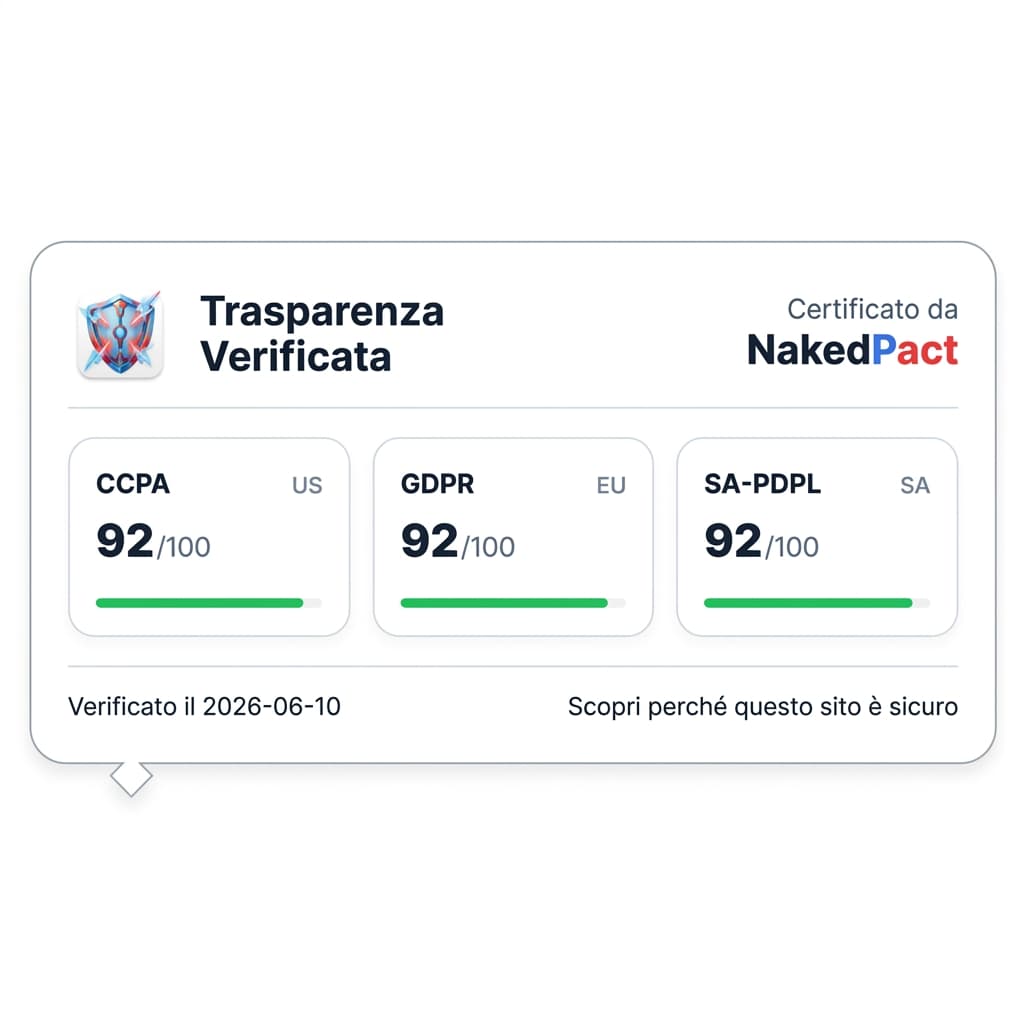
Do you own a website?
Want to communicate your data processing transparency to your users? Dynamically use our badge and showcase your platform's compliance.
Recommended Readings


🛡️ Protect your rights with one click
Don't risk signing abusive clauses. Install the free NakedPact extension for Chrome or Firefox and instantly analyze any contract on the web.
Don't trust, verify.
Now that you know the risks, don't sign blindly. Upload your contract to NakedPact and let AI find the hidden clauses for you. It's 100% free.
Analyze Your Contract Now