
LGPD vs GDPR: The 'Credit Protection' Legal Basis That Could Save Your Business

Table of Contents
What Is the 'Credit Protection' Legal Basis Under the LGPD?
The LGPD's 'credit protection' basis (Art. 7, X) allows processing personal data for credit protection activities, such as credit scoring and fraud prevention, without consent. Unlike the GDPR, which has no direct equivalent, this basis is a powerful tool for financial institutions and creditors.
How Does It Differ from the GDPR's Legitimate Interest?
While the GDPR's legitimate interest (Art. 6(1)(f)) requires a balancing test, the LGPD's credit protection basis is more straightforward. It applies specifically to credit-related activities, reducing legal uncertainty. However, it's not a free pass—you must still comply with data subject rights and security measures.
Practical Example: Credit Scoring
Under the LGPD, a bank can process payment history to calculate a credit score without asking for consent, as long as it informs the data subject. Under the GDPR, the same processing would likely rely on legitimate interest, but you'd need to document the balancing test and offer an opt-out.
Key Compliance Tips for Cross-Border Operations
If your business operates in both Brazil and the EU, map your processing activities to the correct legal basis. For credit protection, ensure you have a clear purpose limitation and provide transparency via privacy notices. Remember: the LGPD also requires a legal basis for processing sensitive data, which credit protection does not cover.
For more details, check the official LGPD text.
FAQ
Can I use 'credit protection' for marketing purposes?
No. The basis is limited to credit protection activities like risk assessment and fraud prevention. Marketing requires consent or legitimate interest.
Does 'credit protection' override data subject rights?
No. Data subjects still have rights to access, correct, and delete data, though deletion may be limited if the data is needed for credit protection obligations.
Is 'credit protection' similar to the GDPR's 'legal obligation'?
Not exactly. Legal obligation requires a specific law mandating processing, while credit protection is a broader basis for credit-related activities.
Credit Protection Legal Basis: Quick Comparison
| Aspect | LGPD (Brazil) | GDPR (EU) |
|---|---|---|
| Legal Basis | Credit protection (Art. 7, X) | Legitimate interest (Art. 6(1)(f)) |
| Scope | Credit scoring, fraud prevention, debt collection | Any legitimate interest, subject to balancing test |
| Consent Required? | No | No, but opt-out must be offered |
| Data Subject Rights | Full rights apply | Full rights apply |
Compliance Checklist
- Identify all credit-related processing activities
- Document legal basis as 'credit protection'
- Update privacy notice to inform data subjects
- Implement data subject request procedures
- Conduct DPIAs for high-risk processing

NakedPact Editorial Committee
Article created by the NakedPact editorial team. Our mission is to analyze, simplify, and expose unfair terms and hidden risks in everyday contracts to protect citizens and consumers.
Sources and Legal References
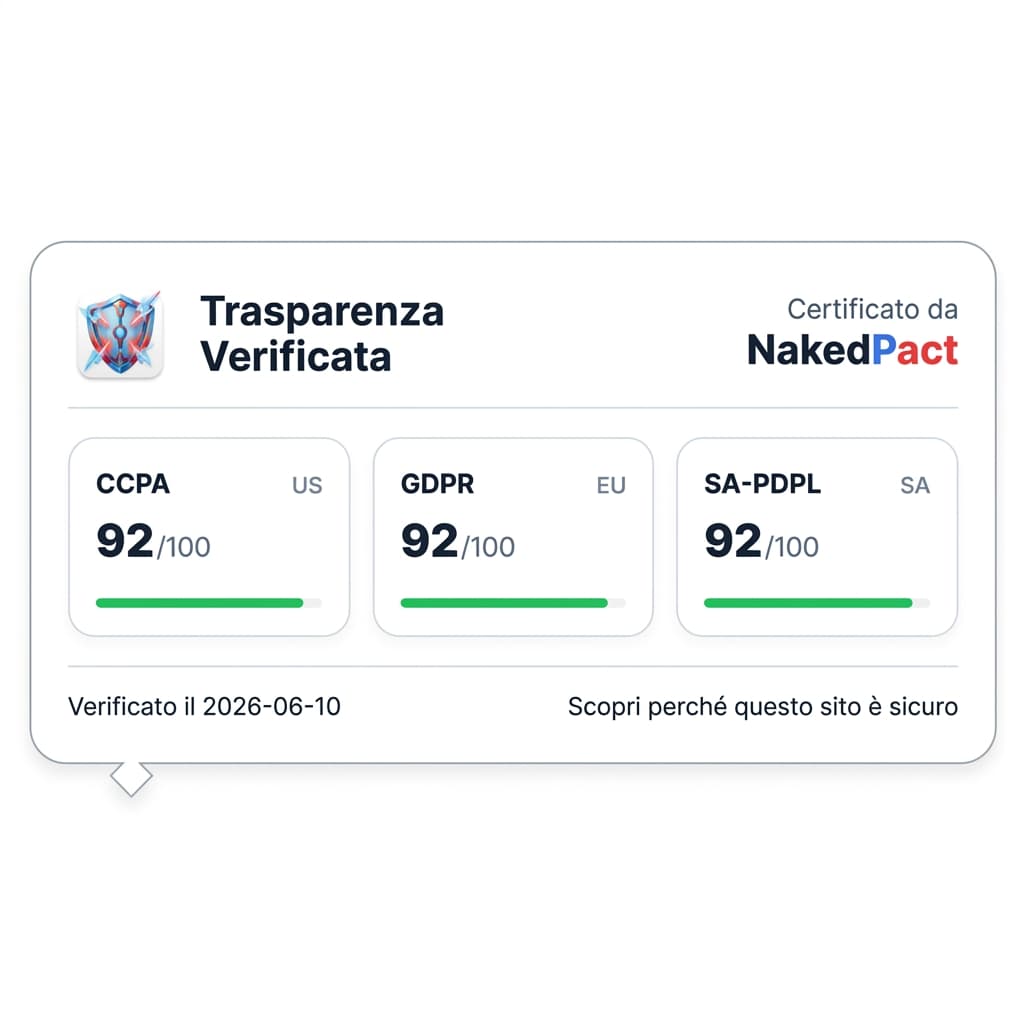
Do you own a website?
Want to communicate your data processing transparency to your users? Dynamically use our badge and showcase your platform's compliance.
Recommended Readings


🛡️ Protect your rights with one click
Don't risk signing abusive clauses. Install the free NakedPact extension for Chrome or Firefox and instantly analyze any contract on the web.
Don't trust, verify.
Now that you know the risks, don't sign blindly. Upload your contract to NakedPact and let AI find the hidden clauses for you. It's 100% free.
Analyze Your Contract Now