
California Backs Down on Dangerous Age-Gating Expansion – But the Fight Isn't Over

Table of Contents
What Happened with California's Age-Gating Law?
California recently pulled A.B. 1856, a proposed expansion of its age-gating law that would have required browsers and websites to verify users' ages. The original law, A.B. 1043, remains in effect, mandating that operating systems and app stores collect user ages. This retreat is a win for privacy advocates, but the underlying law still raises serious concerns.
Why Age Verification Is a Privacy Nightmare
Imagine having to show your ID every time you want to read a news article or watch a cat video. That's essentially what age-gating laws do online. They force platforms to collect sensitive personal data, creating honeypots for hackers and chilling free expression. As the EFF notes, these laws often backfire, harming the very kids they aim to protect.
The Original Law: A.B. 1043
A.B. 1043 requires operating systems and app stores to estimate or verify users' ages. While less intrusive than the expansion, it still pressures companies to implement age checks, which can lead to data collection and surveillance. Critics argue it's a slippery slope toward mandatory ID checks for all online activity.
What's Next?
Advocates are pushing for alternatives that protect kids without sacrificing privacy, like device-level parental controls. For now, the withdrawal of A.B. 1856 is a relief, but the fight for digital rights continues. Stay informed and support organizations like the EFF that defend your online freedoms.
FAQ
What is A.B. 1856?
A.B. 1856 was a California bill that would have expanded age-gating requirements to browsers and websites, forcing them to verify users' ages. It was withdrawn after privacy concerns.
Does A.B. 1043 still apply?
Yes, A.B. 1043 remains in effect. It requires operating systems and app stores to collect or estimate user ages, but not websites or browsers.
How can I protect my privacy online?
Use a VPN, browse with privacy-focused browsers like Firefox, and support digital rights groups like the EFF that fight against invasive laws.

NakedPact Editorial Committee
Article created by the NakedPact editorial team. Our mission is to analyze, simplify, and expose unfair terms and hidden risks in everyday contracts to protect citizens and consumers.
Sources and Legal References
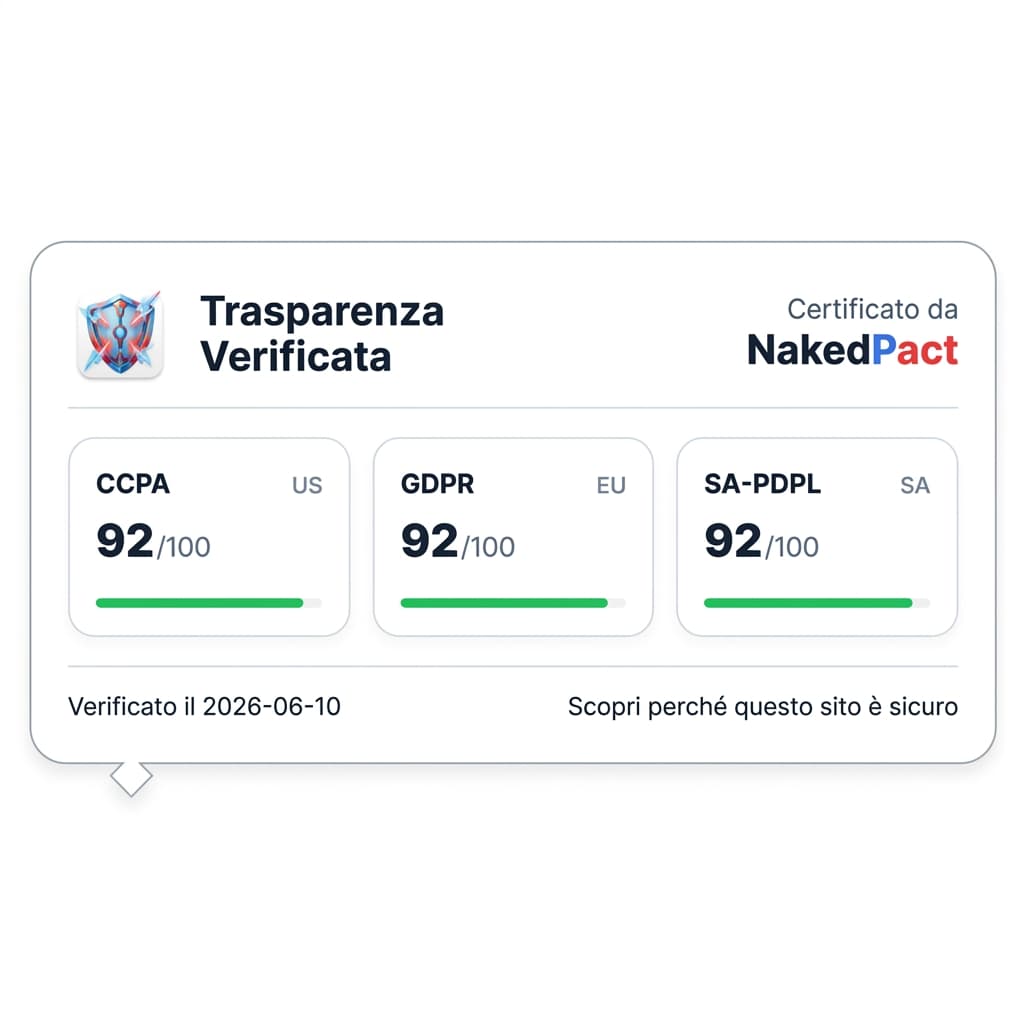
Do you own a website?
Want to communicate your data processing transparency to your users? Dynamically use our badge and showcase your platform's compliance.
Recommended Readings

UAE Data Transfers: Which Countries Are 'Adequate' Under the PDPL?

UK-GDPR: How to Actually Use the International Data Transfer Addendum (IDTA) Without Losing Your Mind

Edtech Under Fire: ICO's New Statement Means Schools and Vendors Must Step Up Data Protection for Kids
🛡️ Protect your rights with one click
Don't risk signing abusive clauses. Install the free NakedPact extension for Chrome or Firefox and instantly analyze any contract on the web.
Don't trust, verify.
Now that you know the risks, don't sign blindly. Upload your contract to NakedPact and let AI find the hidden clauses for you. It's 100% free.
Analyze Your Contract Now