
Your Shopping Cart Is Worth Gold: How Credit Card Data Gets Sold for Targeted Ads

Table of Contents
Your Receipt Is a Goldmine
That pack of gum you bought last week? It's now part of a data profile worth more than the gum itself. Behind every credit card transaction lies a shadowy market where your purchase history is bundled and sold to advertisers hungry for your attention.
Featured Snippet: Credit card data is sold through data brokers who aggregate transaction details from banks, retailers, and payment processors. They strip direct identifiers like your name but keep purchase patterns, which are then used to target ads based on your spending habits.
How Your Data Gets from Checkout to Advertiser
It starts when you swipe your card. The transaction data—what you bought, when, and where—is collected by the payment processor. From there, it's often shared with third-party data brokers who combine it with other sources to build a detailed profile of you.
These brokers then sell access to segments like 'frequent luxury shoppers' or 'organic food buyers' to advertisers. The price? A few cents per profile, but multiplied by millions, it's a billion-dollar industry.
The Legal Loophole
In the US, there's no federal law specifically banning the sale of anonymized transaction data. The EU's GDPR offers more protection, but even there, 'pseudonymized' data can be sold if it's not easily re-identifiable. Reading the fine print of your cardholder agreement is about as fun as cleaning grout with a toothbrush, but it's where these permissions hide.
Why It Matters
This isn't just about creepy ads. It's about privacy erosion and potential discrimination. Insurers could buy your data to adjust premiums, or employers might use it to screen candidates. The line between helpful personalization and invasive surveillance is getting blurrier.
What You Can Do
Use cash for sensitive purchases, opt out of data sharing where possible (check your bank's privacy settings), and consider privacy-focused payment methods like virtual cards. Also, support legislation like the American Data Privacy and Protection Act.
FAQ
Is my credit card data really being sold?
Yes, but typically in anonymized or aggregated form. Data brokers collect transaction details from various sources and sell insights to advertisers without directly revealing your name or card number.
Can I stop my data from being sold?
Partially. You can opt out of data sharing through your bank's privacy settings, use cash, or choose privacy-focused payment methods. However, complete prevention is difficult due to the complexity of data flows.
Is this legal?
In many jurisdictions, yes, as long as the data is anonymized. However, laws like GDPR in Europe impose stricter rules. Always check your local regulations.

NakedPact Editorial Committee
Article created by the NakedPact editorial team. Our mission is to analyze, simplify, and expose unfair terms and hidden risks in everyday contracts to protect citizens and consumers.
Sources and Legal References
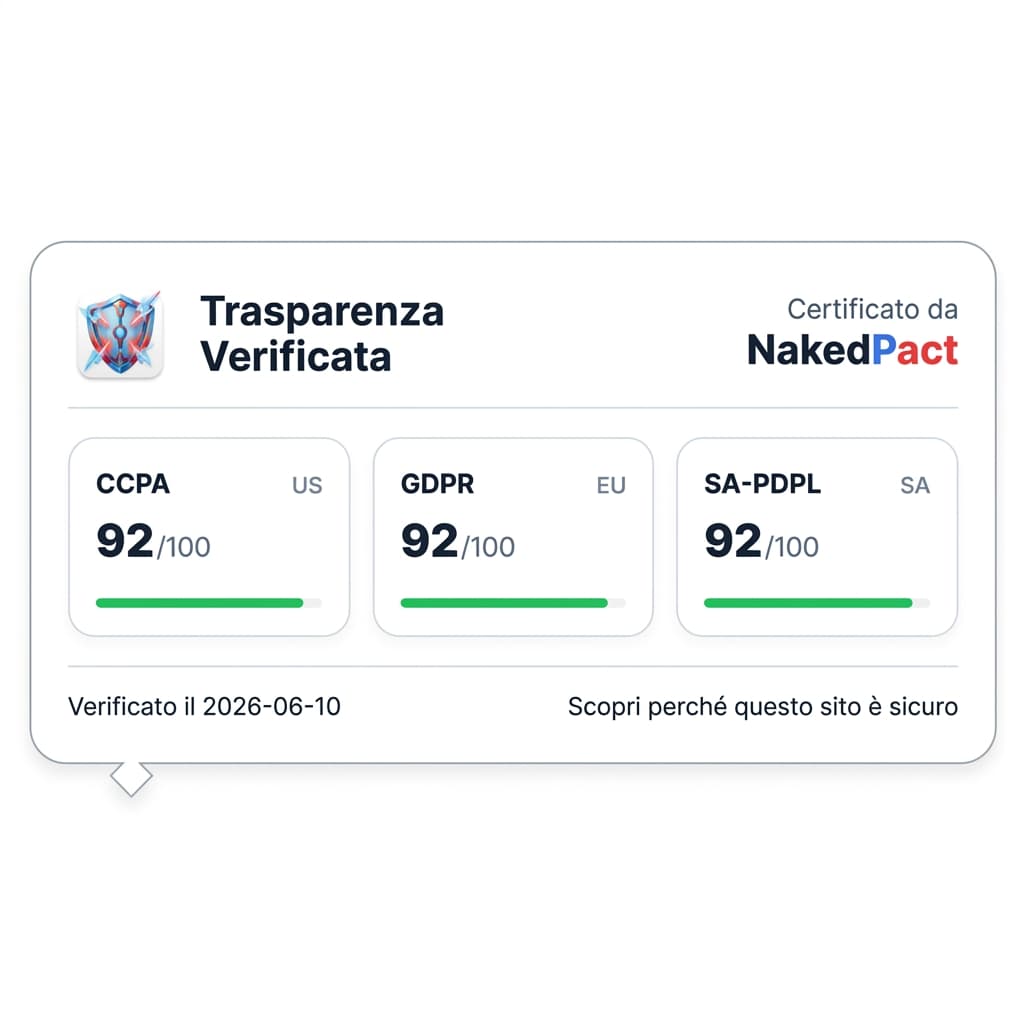
Do you own a website?
Want to communicate your data processing transparency to your users? Dynamically use our badge and showcase your platform's compliance.
Recommended Readings


🛡️ Protect your rights with one click
Don't risk signing abusive clauses. Install the free NakedPact extension for Chrome or Firefox and instantly analyze any contract on the web.
Don't trust, verify.
Now that you know the risks, don't sign blindly. Upload your contract to NakedPact and let AI find the hidden clauses for you. It's 100% free.
Analyze Your Contract Now