
Your Boss's AI Knows How You Really Feel: Italy's Privacy Watchdog Cracks Down on Emotion-Sensing Workplace Plugin

Table of Contents
Imagine your Slack messages being analyzed by an AI to detect if you're stressed or unhappy. That's precisely what a plugin developed by an Italian startup promised—until the country's data protection authority stepped in. The Garante per la Privacy sent a formal warning to the company, signaling that emotion-sensing workplace tools may violate GDPR even before they hit the market.
The Plugin That Crossed the Line
Featured Snippet: Why is employee emotion monitoring a GDPR issue? Because emotions are personal data inferred through automated processing, requiring explicit consent or a legitimate interest that overrides the employee's privacy. In most cases, constant surveillance fails the necessity and proportionality tests under Article 5 of the GDPR.
The plugin, designed to integrate with common workplace communication platforms like Slack and Microsoft Teams, used natural language processing to analyze text for signs of emotion, stress, and burnout. It then aggregated data into dashboards for managers, offering real-time insights into team morale. Sounds helpful? The Garante wasn't convinced.
What Exactly Did It Do?
According to the warning, the plugin collected data on every message sent during work hours—including tone, sentiment, and even subtle linguistic cues. The startup argued it helped prevent burnout, but the authority noted that employees were not properly informed and had no way to opt out. In GDPR terms, this is a double whammy: lack of transparency and no valid legal basis.
GDPR at Work: Why Employee Monitoring Is a Minefield
The GDPR doesn't ban employee monitoring, but it sets high bars. Under Article 6, any processing must be lawful, fair, and transparent. While employers can claim 'legitimate interest,' that interest must be balanced against employees' rights. The European Data Protection Board has made clear that emotional surveillance is rarely justified—reading messages for productivity is already controversial; analyzing feelings is a whole new level.
Legitimate Interest vs. Privacy Rights
The startup's argument boomeranged: yes, preventing burnout is noble, but the means were disproportionate. The Garante pointed out that less intrusive alternatives exist, like anonymous surveys or voluntary check-ins. Instead, the plugin created a 'digital panopticon' where every emoji could be evidence of 'low engagement.'
The Warning: A Signal for All Employers
This warning isn't just for that startup—it's a shot across the bow for any company using or developing AI for workplace surveillance. The Garante expects organizations to conduct Data Protection Impact Assessments (DPIA) before deploying such tools. Fail to do so, and you risk fines up to 4% of global turnover.
What Companies Should Do Now
- Audit your tools: Do they infer emotional data? If yes, stop and reassess.
- Be transparent: Inform employees exactly what data is collected and why.
- Less is more: Use aggregated, anonymized metrics instead of individual profiling.
The Human Cost of Emotional Surveillance
Reading between the lines, the Garante's warning also protects dignity at work. Constant emotional monitoring can create a chilling effect—employees may self-censor, hide genuine distress, or even manipulate their language to appear 'compliant.' It's like having your therapist report your mood to your boss every day. Not cool.
If you're an employer, think twice before turning your team into a data mine. And if you're an employee, know that Europe's privacy watchdog has your back. For more on GDPR requirements, check the official GDPR text.
FAQ
Can employers legally monitor employee emotions with AI?
Only under very strict conditions: explicit consent or a legitimate interest that outweighs privacy rights. Most emotion detection fails the proportionality test. You must also conduct a DPIA and provide clear notice.
What did the Italian authority say in the warning?
The Garante per la Privacy warned the startup that its emotion-monitoring plugin likely violates GDPR principles of transparency, data minimization, and lawful processing. It demanded immediate adjustments or removal.
What should companies do to avoid similar violations?
Conduct a DPIA, minimize data collection, avoid inferring sensitive data like emotions, and always obtain valid consent or rely on a legitimate interest that truly balances interests. Anonymize where possible.
GDPR vs. Emotion-Sensing Plugin: A Reality Check
| Requirement | GDPR Standard | Plugin Approach |
|---|---|---|
| Transparency | ✓ Clear notice before collection | ✗ Buried in TOS |
| Legal Basis | ✓ Explicit consent or overriding legitimate interest | ✗ Implied consent, no opt-out |
| Data Minimization | ✓ Only necessary data | ✗ All messages all the time |
| Sensitive Data | ✓ Special protection for emotional data | ✗ No safeguards |
| DPIA | ✓ Mandatory for high risk | ✗ Not conducted |
The plugin failed on every major GDPR checkpoint. A DPIA would have flagged these issues before launch.

NakedPact Editorial Committee
Article created by the NakedPact editorial team. Our mission is to analyze, simplify, and expose unfair terms and hidden risks in everyday contracts to protect citizens and consumers.
Sources and Legal References
Do you own a website?
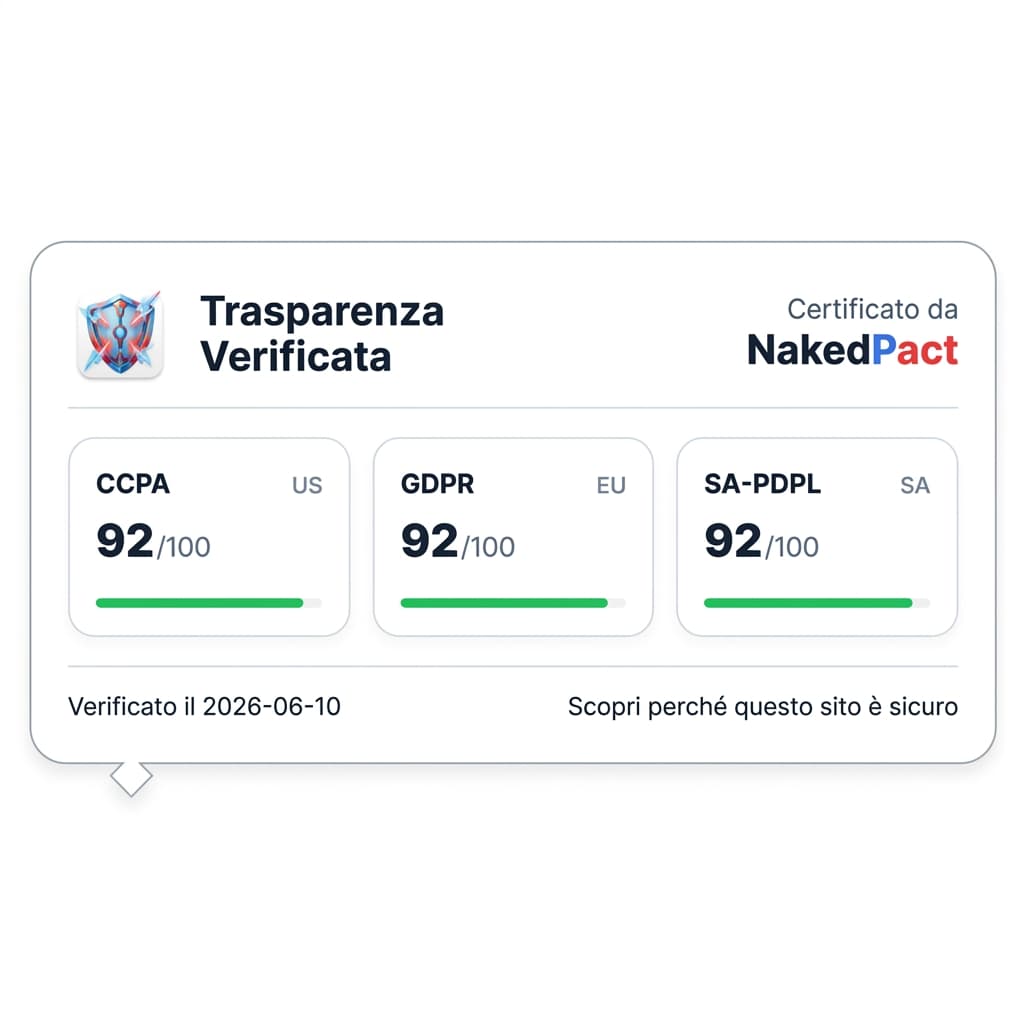
Want to communicate your data processing transparency to your users? Dynamically use our badge and showcase your platform's compliance.
Recommended Readings


🛡️ Protect your rights with one click
Don't risk signing abusive clauses. Install the free NakedPact extension for Chrome or Firefox and instantly analyze any contract on the web.
Don't trust, verify.
Now that you know the risks, don't sign blindly. Upload your contract to NakedPact and let AI find the hidden clauses for you. It's 100% free.
Analyze Your Contract Now