
Legitimate Interest vs. Consent: When Can You Ditch the Cookie Banner?

Table of Contents
Cookie Banners: The Digital Equivalent of a Root Canal?
Let's face it: cookie banners are about as welcome as a pop-up ad for a timeshare. But here's the kicker—under GDPR, you might not always need one. The key lies in understanding the difference between 'consent' and 'legitimate interest.'
If you're a website owner, you've probably wondered: 'Can I just skip the banner and rely on legitimate interest?' The short answer is: sometimes. But it's not a free pass to track everything like a digital stalker.
What Is Legitimate Interest, Really?
Legitimate interest is one of the six lawful bases for processing personal data under Article 6(1)(f) of the GDPR. It means you can process data without consent if you have a genuine and compelling reason—like preventing fraud or ensuring network security—and your interest doesn't override the user's privacy rights.
Think of it like this: if you run a bakery, you don't need permission to count how many customers walk in. But you do need consent to follow them home and see what they bake. Legitimate interest covers the counting, not the stalking.
When Can You Use Legitimate Interest for Cookies?
Not all cookies are created equal. The ePrivacy Directive (the 'Cookie Law') generally requires consent for storing or accessing information on a user's device. However, there are exceptions:
- Strictly necessary cookies: These are essential for the website to function (e.g., session cookies for shopping carts). No consent needed—legitimate interest applies.
- Functional cookies: These enhance user experience (e.g., remembering language preferences). Some regulators allow legitimate interest, but it's a gray area.
- Analytics and tracking cookies: These usually require consent, unless they are anonymized and used for first-party analytics with minimal privacy impact.
The European Data Protection Board (EDPB) has clarified that legitimate interest is rarely a valid basis for marketing or tracking cookies. So, if you're using Google Analytics or Facebook Pixel, you almost certainly need a banner.
The Legitimate Interest Assessment (LIA): Your New Best Friend
Before you ditch the banner, you must conduct a Legitimate Interest Assessment (LIA). This is a three-step test:
- Purpose test: Do you have a clear, specific purpose for processing?
- Necessity test: Is the processing necessary for that purpose? Could you achieve it with less intrusive means?
- Balancing test: Does your interest outweigh the user's privacy rights? Consider the impact on users and any safeguards you've put in place.
Document your LIA thoroughly. If a regulator comes knocking, you'll need to show your work.
Featured Snippet Bait: Can I Use Legitimate Interest to Avoid Cookie Banners?
Yes, but only for strictly necessary cookies and, in some cases, functional cookies. For analytics, marketing, or tracking cookies, you generally need explicit consent. Always conduct a Legitimate Interest Assessment and document your reasoning to stay compliant.
Consent: When It's Non-Negotiable
Consent remains the safest bet for most non-essential cookies. Under GDPR, consent must be freely given, specific, informed, and unambiguous. That means no pre-ticked boxes, no implied consent by scrolling, and no 'cookie walls' that block access unless you agree.
If you're using third-party tracking, behavioral advertising, or sharing data with social media platforms, consent is your only lawful basis. Period.
Practical Tips for Website Owners
- Audit your cookies: Categorize them as strictly necessary, functional, analytics, or marketing.
- For strictly necessary cookies: No banner needed, but inform users in your privacy policy.
- For functional cookies: Consider legitimate interest, but be prepared to justify it.
- For all others: Implement a consent management platform (CMP) and get explicit consent.
- Document everything: LIAs, consent records, and privacy policies are your shield.
Remember, the goal isn't to avoid banners at all costs—it's to respect user privacy while running your business. A well-designed banner that offers real choices can actually build trust.
FAQ
What is the difference between legitimate interest and consent under GDPR?
Legitimate interest allows processing without consent if you have a compelling reason and it doesn't harm user privacy. Consent requires explicit, informed agreement from the user. For cookies, consent is usually required for non-essential ones.
Can I use legitimate interest for Google Analytics cookies?
Generally, no. Google Analytics cookies are not strictly necessary and involve third-party data sharing. Most regulators require consent. However, if you anonymize IPs and use first-party analytics with minimal privacy impact, legitimate interest might be possible—but it's risky.
What happens if I use legitimate interest incorrectly?
You could face fines up to 4% of annual global turnover or €20 million, whichever is higher. Regulators may also order you to stop processing and delete data. Always document your LIA and consult a privacy professional.

NakedPact Editorial Committee
Article created by the NakedPact editorial team. Our mission is to analyze, simplify, and expose unfair terms and hidden risks in everyday contracts to protect citizens and consumers.
Sources and Legal References
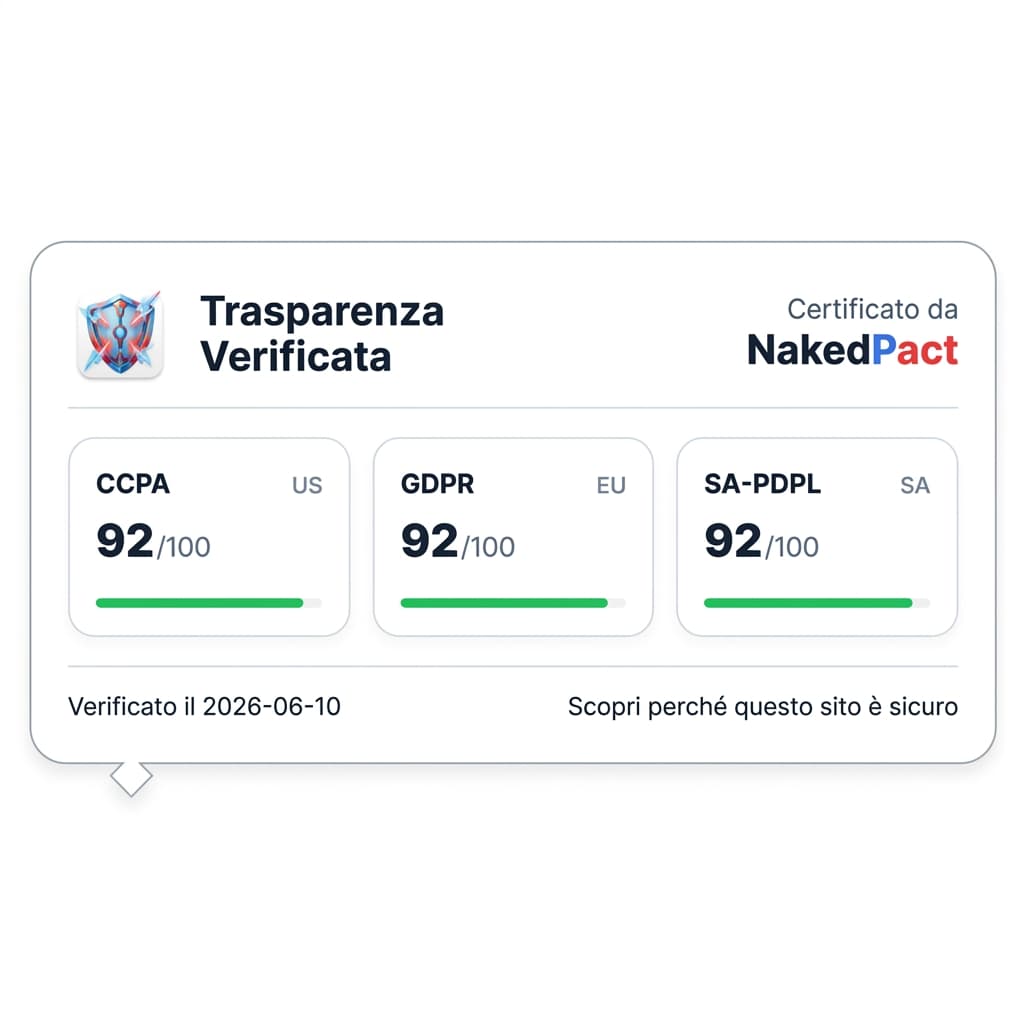
Do you own a website?
Want to communicate your data processing transparency to your users? Dynamically use our badge and showcase your platform's compliance.
Recommended Readings



🛡️ Protect your rights with one click
Don't risk signing abusive clauses. Install the free NakedPact extension for Chrome or Firefox and instantly analyze any contract on the web.
Don't trust, verify.
Now that you know the risks, don't sign blindly. Upload your contract to NakedPact and let AI find the hidden clauses for you. It's 100% free.
Analyze Your Contract Now