
Cyber Resilience Act: Who Pays for Mandatory Security?

Table of Contents
What Is the Cyber Resilience Act?
The Cyber Resilience Act (CRA) is a proposed EU regulation that mandates cybersecurity for all products with digital elements—from smart toys to industrial software. It integrates security into the entire lifecycle, from design to end-of-life, and ties it to CE marking. Think of it as a seatbelt law for the digital world: annoying until you crash.
Featured Snippet: Who pays for CRA compliance?
Primarily, manufacturers and software developers foot the bill. They must implement secure development processes, conduct vulnerability assessments, and provide updates. Small and medium enterprises (SMEs) may struggle with upfront costs, but the regulation aims to level the playing field and reduce long-term breach expenses.
The Cost of Compliance
For ICT companies, the CRA means new governance obligations: appointing a security officer, documenting risk assessments, and reporting incidents. SMEs face a particular burden—compliance could cost thousands of euros. But consider the alternative: a single data breach can cost millions. As one developer joked, 'It's like paying for insurance you hope you never use.'
Who Else Pays?
Consumers will likely see higher prices for secure products. However, the CRA also shifts liability: if a product lacks basic security, the manufacturer is responsible. This creates a market where security is a selling point, not an afterthought. For more details, see the official proposal on EUR-Lex.
Is It Worth It?
Imagine buying a smart lock that hackers can open—that's the world without the CRA. The regulation forces companies to bake in security, reducing risks for everyone. Yes, it's a hassle, but so is brushing your teeth. And you don't want a cavity in your digital infrastructure.
FAQ
Does the CRA apply to open-source software?
Yes, but with nuances. Free and open-source software developed outside commercial activity is exempt. However, if it's monetized or integrated into a commercial product, the CRA applies.
What are the penalties for non-compliance?
Fines can reach up to €15 million or 2.5% of global annual turnover, whichever is higher. That's enough to make any CFO pay attention.
When will the CRA take effect?
The regulation is expected to be adopted in 2024, with a transition period of 24-36 months. Start preparing now—procrastination is not a security strategy.

NakedPact Editorial Committee
Article created by the NakedPact editorial team. Our mission is to analyze, simplify, and expose unfair terms and hidden risks in everyday contracts to protect citizens and consumers.
Sources and Legal References
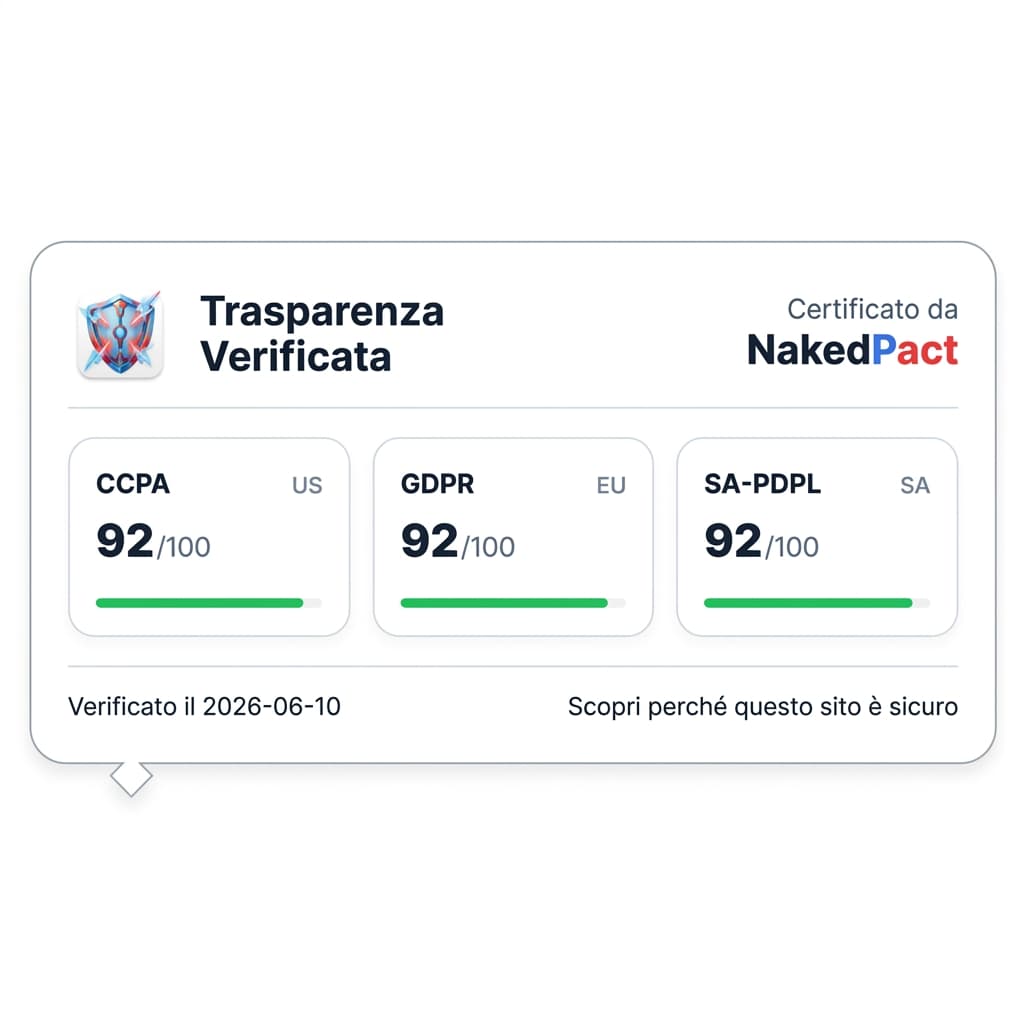
Do you own a website?
Want to communicate your data processing transparency to your users? Dynamically use our badge and showcase your platform's compliance.
Recommended Readings


🛡️ Protect your rights with one click
Don't risk signing abusive clauses. Install the free NakedPact extension for Chrome or Firefox and instantly analyze any contract on the web.
Don't trust, verify.
Now that you know the risks, don't sign blindly. Upload your contract to NakedPact and let AI find the hidden clauses for you. It's 100% free.
Analyze Your Contract Now