
Menstrual Cycle and Big Data: Who's Reading Your Most Intimate Days on Clue

Table of Contents
You probably don’t think twice before logging your cramps, mood, or flow into Clue. But behind that clean interface, your most sensitive health data is being collected, analyzed, and shared. In a world where data brokers trade reproductive information, protecting your privacy isn’t paranoid—it’s self-defense.
Let’s be real: reading Clue’s privacy policy is about as fun as scrubbing grout with a toothbrush. But I’ve done the dirty work so you don’t have to. Here’s what you need to know and exactly how to lock down your account.
What Data Does Clue Period Tracker Collect?
Clue collects a staggering amount of personal data: menstrual cycle dates, symptoms, sexual activity, pregnancy status, and even emotional states. They also gather device info, IP address, and usage patterns. According to their privacy policy, this data is used to improve the app, but also for analytics and targeted advertising—unless you opt out.
Real Scandals? Not Yet, But Risks Are Real
While Clue hasn’t faced a major data leak or GDPR fine (as of now), the risk is theoretical but serious. In 2019, a study revealed that period tracking apps shared user data with Facebook, Google, and other third parties. Clue was among them. They’ve since updated their practices, but the underlying architecture remains: your data is a commodity. If a breach happens, your most private health details could be exposed.
Step-by-Step Privacy Guide for Clue
1. Opt Out of Data Sharing
Open Clue → Settings → Privacy → toggle off “Share anonymized data for research” and “Personalized ads.” This stops Clue from using your cycle data for ad targeting.
2. Disable Permissions
On iOS: Settings → Clue → toggle off Background App Refresh, Location (if on), and Cellular Data. On Android: Settings → Apps → Clue → Permissions → deny Phone, Storage, and Location.
3. Block Notifications
Notifications can leak sensitive info on your lock screen. Go to Clue Settings → Notifications → turn off all. Then in your phone settings, disable Clue notifications entirely.
4. Use a Pseudonym
Don’t use your real name or email. Create a burner email and a fake username. Clue doesn’t verify identity, so you can be “FlowerPower42” without issue.
5. Delete Old Data
Clue stores your history indefinitely. To delete: Settings → Account → Delete Account. This wipes all your data from their servers. Export your data first if you want a backup.
Is Clue Safe Enough?
No app is 100% safe, but Clue is better than most. They use encryption in transit and at rest, and they don’t sell data directly. However, they do share with analytics partners. If you’re in the EU, GDPR gives you more rights. If you’re in the US, you’re largely on your own. The safest option? Use Clue with a VPN and a separate device for health tracking. Or switch to an offline tracker like Drip.
Remember: your period is personal. Don’t let an app turn it into a product.

NakedPact Editorial Committee
Article created by the NakedPact editorial team. Our mission is to analyze, simplify, and expose unfair terms and hidden risks in everyday contracts to protect citizens and consumers.
Sources and Legal References
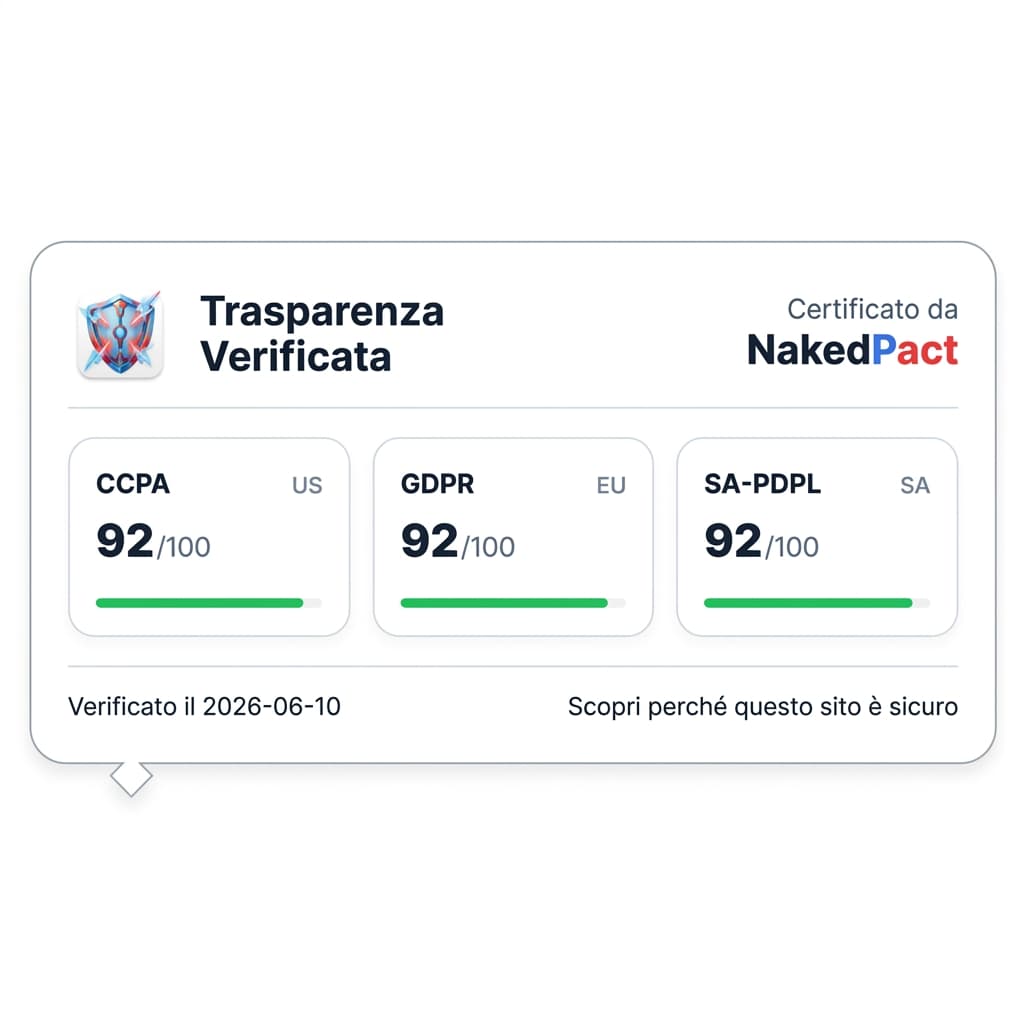
Do you own a website?
Want to communicate your data processing transparency to your users? Dynamically use our badge and showcase your platform's compliance.
Recommended Readings


🛡️ Protect your rights with one click
Don't risk signing abusive clauses. Install the free NakedPact extension for Chrome or Firefox and instantly analyze any contract on the web.
Don't trust, verify.
Now that you know the risks, don't sign blindly. Upload your contract to NakedPact and let AI find the hidden clauses for you. It's 100% free.
Analyze Your Contract Now