
Your WhatsApp Chats Are Not Free Evidence: Brazil's Top Labor Court Says No to Unauthorized Access

Table of Contents
What Did the Brazilian Court Decide?
The 1st Section of Brazil's Superior Labor Court (TST) ruled that evidence obtained via unauthorized access to an employee's WhatsApp is illegal and cannot justify a termination for just cause. The decision, based on the inviolability of private communications, has significant implications for data protection in employment.
Why Does This Matter for Employers?
Employers often monitor company devices, but this ruling clarifies that accessing personal messages without consent violates constitutional privacy rights. Even if the device is company-issued, employees retain a reasonable expectation of privacy for personal communications.
The Case in Brief
An employee was fired after the employer accessed his WhatsApp messages without permission. The court found the evidence illicit, as it breached the secrecy of communications protected by Article 5, item XII of the Brazilian Federal Constitution.
What About Company Policies?
Having a policy that allows monitoring is not enough. The court emphasized that any access must be proportional and respect fundamental rights. Employers should review their practices to avoid similar pitfalls.
Featured Snippet: Can an employer use WhatsApp messages as evidence?
No, if the access was unauthorized. Brazilian labor courts consider such evidence illicit, as it violates the constitutional right to privacy and secrecy of communications. Even on company devices, personal messages are protected.
Practical Takeaways
- Do not access employee personal messages without explicit consent.
- Update workplace policies to clearly distinguish between professional and personal use.
- Train managers on privacy laws to prevent unlawful evidence gathering.
For more details, see the Brazilian Federal Constitution.
FAQ
Can an employer monitor company-issued phones?
Yes, but only for professional purposes and with clear policies. Personal messages remain protected.
What if the employee consented to monitoring?
Consent must be free, informed, and specific. Blanket consent in a contract may not be valid.
Does this ruling apply to other messaging apps?
Yes, the principle applies to any private communication channel, including Telegram, Signal, and email.
Employer's Privacy Checklist
- Obtain explicit consent before accessing personal messages
- Implement clear device usage policies
- Train managers on privacy laws
- Access WhatsApp without permission
- Use personal messages as evidence in termination

NakedPact Editorial Committee
Article created by the NakedPact editorial team. Our mission is to analyze, simplify, and expose unfair terms and hidden risks in everyday contracts to protect citizens and consumers.
Sources and Legal References
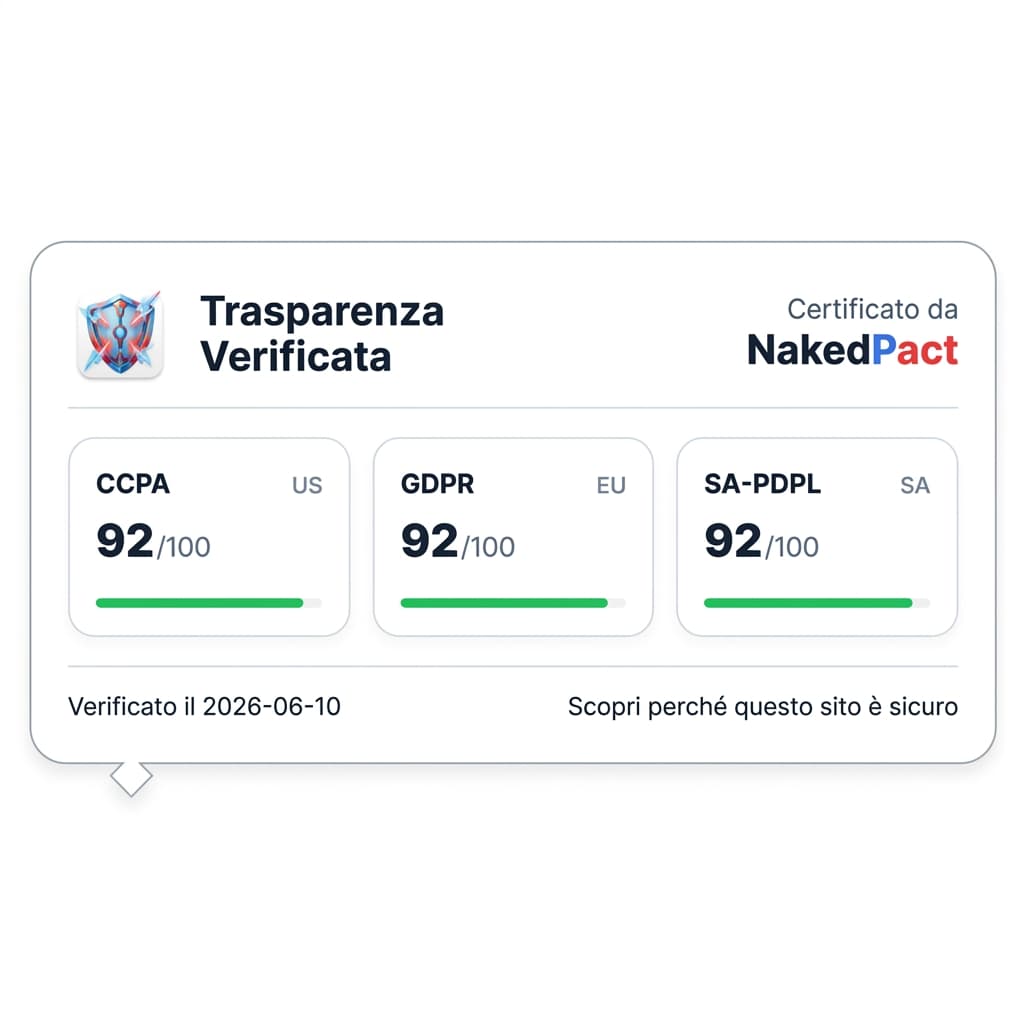
Do you own a website?
Want to communicate your data processing transparency to your users? Dynamically use our badge and showcase your platform's compliance.
Recommended Readings



🛡️ Protect your rights with one click
Don't risk signing abusive clauses. Install the free NakedPact extension for Chrome or Firefox and instantly analyze any contract on the web.
Don't trust, verify.
Now that you know the risks, don't sign blindly. Upload your contract to NakedPact and let AI find the hidden clauses for you. It's 100% free.
Analyze Your Contract Now